Technical Summary
Inner Layer Connection Defects (ICD), commonly referred to as “hole wall pull-away,” represent one of the most insidious failure modes in high-reliability PCB manufacturing. This white paper provides a comprehensive analysis of the causal relationship between sub-optimal activation chemistry and micro-hole integrity. We detail how JS Circuit enforces stringent multi-stage control protocols—covering Plasma Desmear, colloidal palladium activation, and copper ductility management—to effectively mitigate intermittent open circuits in mission-critical medical and industrial applications.
1. The ICD Challenge: Why Integrity Fails at the Micro-Scale
As PCB designs transition toward higher density and finer pitch, the reliability of the interconnect between the plated through-hole and internal copper planes becomes paramount. ICD occurs when the chemical bond between the electroless copper and the internal copper plane is compromised, often exacerbated by thermal stress during the assembly reflow process. Because ICDs frequently manifest as intermittent failures, they can easily escape standard Flying Probe or ICT testing, posing severe risks for life-critical medical electronics. At JS Circuit, we treat ICD prevention not just as a quality check, but as a core design-for-manufacturing (DFM) discipline.
2. Precision Drilling & Plasma Smear Removal
The journey to a reliable connection begins at the drilling stage. Frictional heat during the drilling of high-Tg substrates invariably generates resin smear that deposits onto the exposed copper edges of internal layers. If this resin is not completely removed, it acts as a molecular-level barrier, preventing the electroless copper from achieving a true metallurgical bond. JS Circuit utilizes advanced multi-stage Plasma Desmear technology. By meticulously controlling the gas mix and cycle duration, we ensure the hole wall surface is perfectly conditioned, creating a high-energy surface that is receptive to the subsequent activation chemistry.
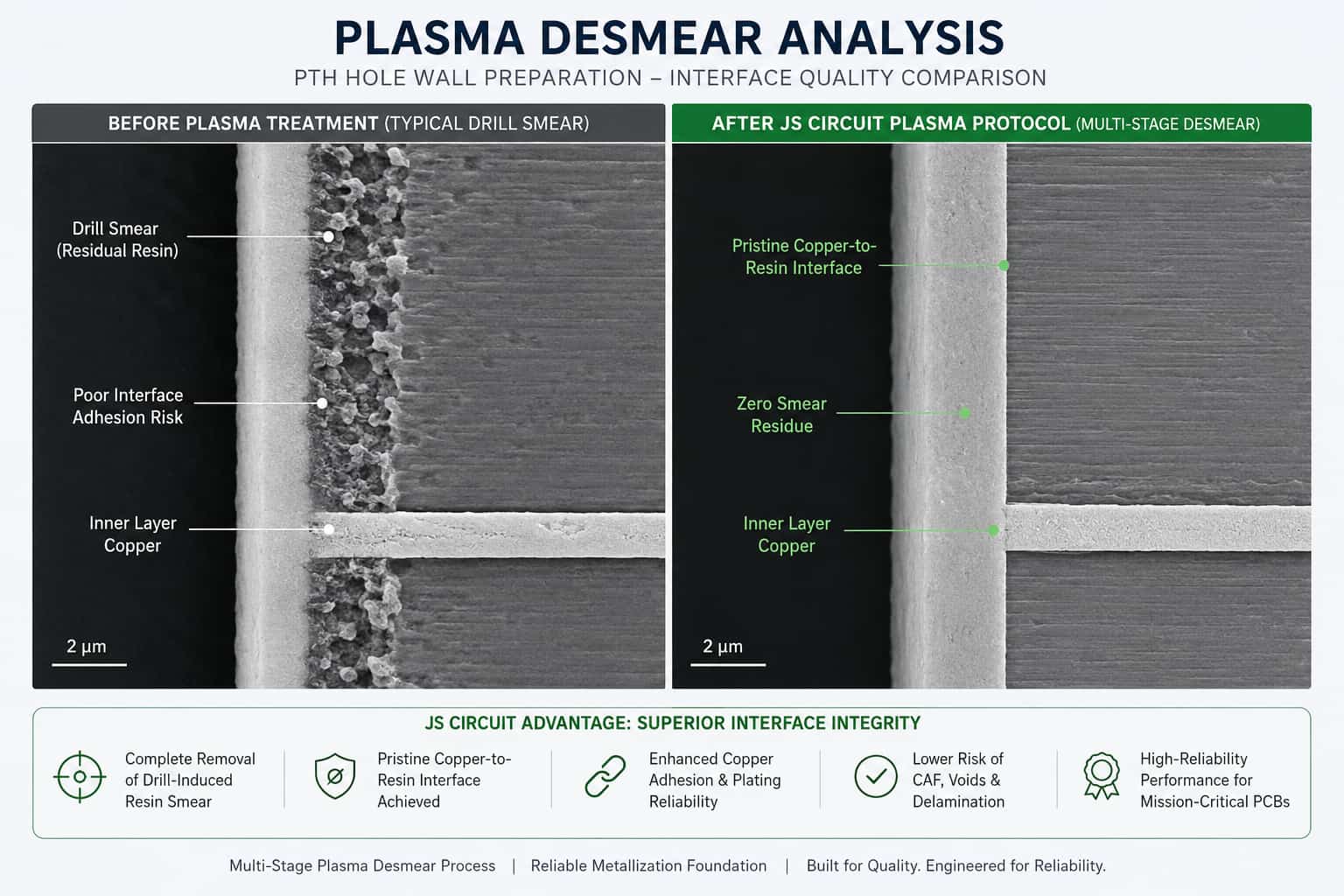
Figure 1: Plasma Desmear Interface Analysis | JS Circuit
3. Colloidal Palladium Activation & Black Hole Process
The activation process is the “foundational seed” of the entire plating sequence. Utilizing colloidal palladium, we create a catalytic surface that dictates the uniformity of the subsequent copper deposition. JS Circuit implements real-time chemical monitoring to ensure the palladium catalyst density remains within the optimal range. Inconsistent palladium concentration is the primary cause of “voiding”—a phenomenon where thin or discontinuous areas in the copper layer become initiation points for ICD. By stabilizing the activator bath and managing copper ion build-up, we guarantee a continuous, high-integrity seed layer.
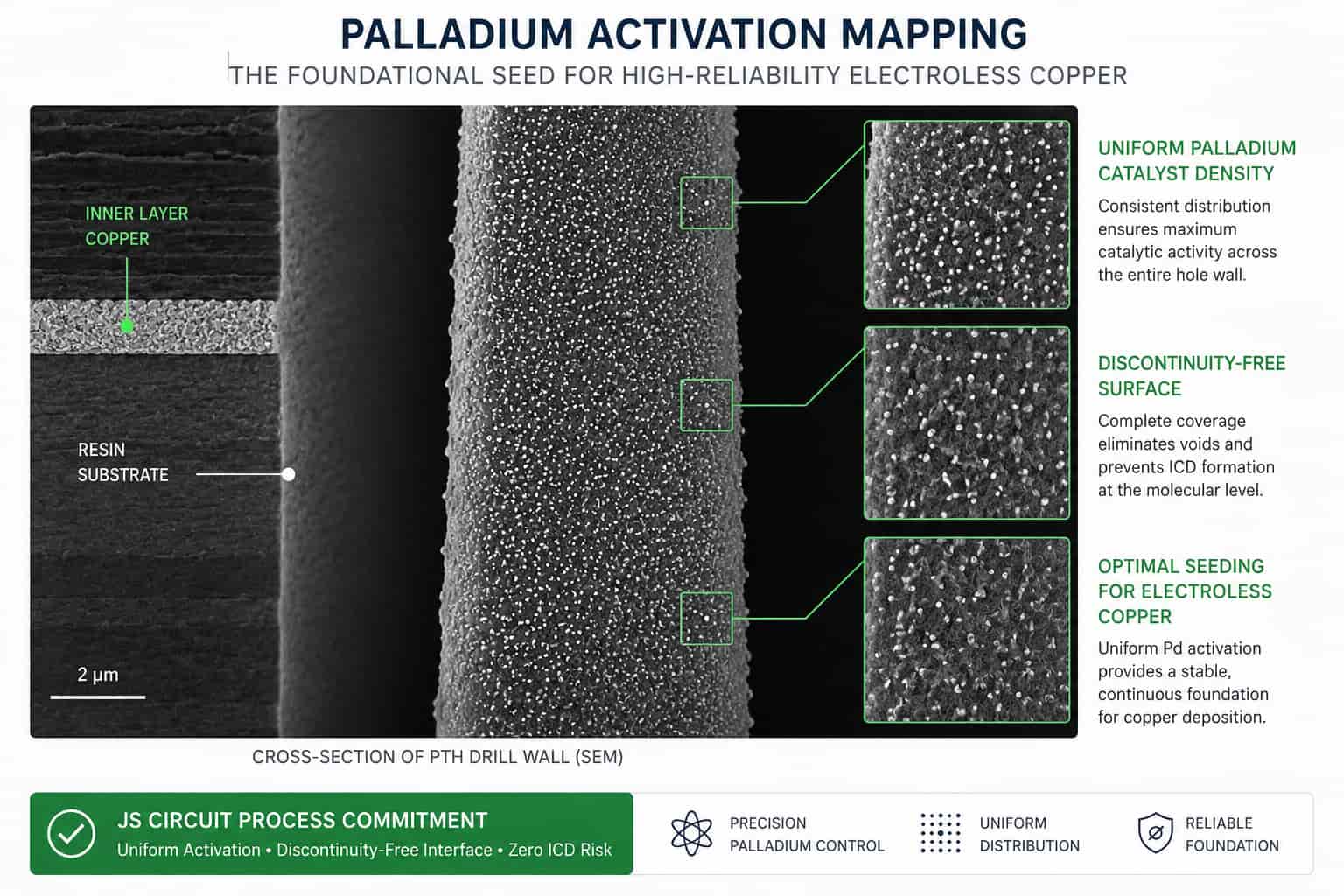
Figure 2: Palladium Catalyst Distribution Mapping | JS Circuit
4. Micro-via Geometry & Thermal Stress
In high-density interconnect (HDI) designs, micro-vias face extreme shear stress during thermal cycling due to the CTE mismatch between the PCB substrate and the copper plating. We analyze the “corner stress” at the base of the via where it meets the capture pad. JS Circuit engineers optimize via-in-pad geometry to distribute these stresses across the entire interface. By reducing the sharp-angle geometry of the micro-via connection, we effectively minimize the potential for the plating to “pull away” from the internal copper plane during operational thermal excursions.
5. Process Control Parameters
| Control Point | Industry Standard | JS Circuit Protocol |
|---|---|---|
| Plasma Desmear | Standard | High-Density Multi-Stage |
| Activator Stability | Weekly Test | Real-time Chemical Tracking |
| Copper Ductility | > 10% | > 15% |
6. Copper Ductility & CTE Management
Finally, we address the physical properties of the electroplated copper itself. A common failure in high-Tg boards is brittle copper that cannot accommodate the rapid expansion of the substrate during reflow. JS Circuit specifies plating bath additives that ensure a high-elongation copper deposit (>15%). This ductility allows the plated barrel to flex with the substrate, absorbing thermal energy without inducing cracks at the inner layer junctions. This is our final line of defense in ensuring zero-defect connectivity for mission-critical applications.
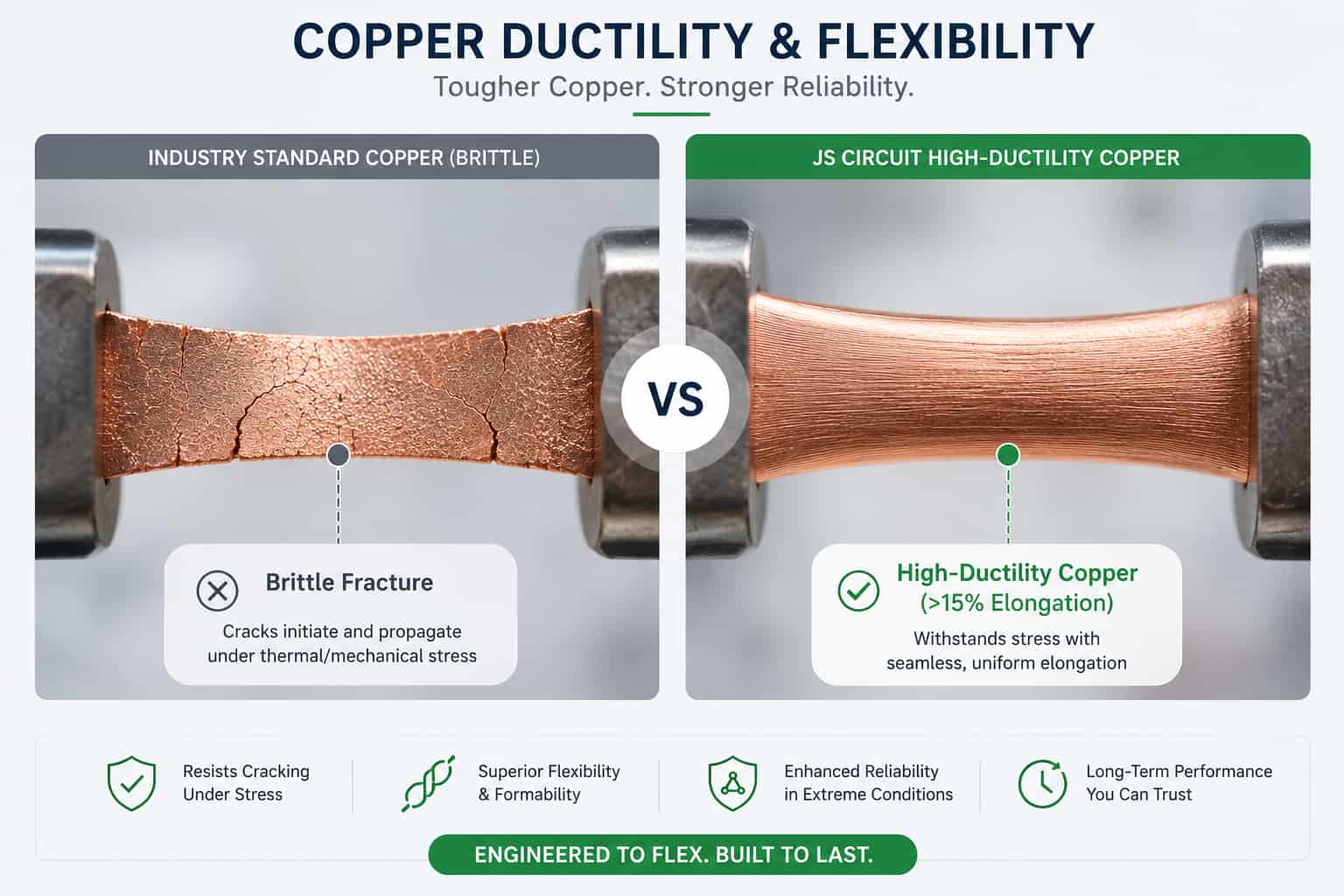
Figure 3: Copper Ductility Stress-Strain Analysis | JS Circuit
📋 Technical FAQ: ICD Prevention & Process Control
Q1: How do you identify ICDs before they reach the field?
A1: We utilize destructive cross-sectional micro-section analysis and accelerated thermal shock (ATS) testing to force the manifestation of potential connection failures under extreme conditions.
Q2: What is the ideal hole-wall roughness for plating?
A2: We target a 15-20µm peak-to-valley profile. This provides the optimal balance between surface area for mechanical interlocking and low stress concentration.
Q3: How does high-Tg material impact ICD risk?
A3: High-Tg materials have lower Z-axis coefficient of thermal expansion (CTE). Less expansion in the Z-axis translates to significantly less physical shear stress at the hole-to-inner-layer interface.
Q4: Why is colloidal palladium stability vital for black hole processes?
A4: Unstable palladium leads to sparse catalyst distribution, which causes “voiding” in the electroless copper deposit—the primary site where ICD initiates.
Q5: Can copper elongation rate be adjusted?
A5: Yes, through specific organic additives in the electroplating bath. We strictly monitor these levels to maintain ductility above 15% for all mission-critical builds.
Need a reliability review for your PCB stack-up or DFM analysis? Speak to JS Circuit’s engineering team today.