Process Summary
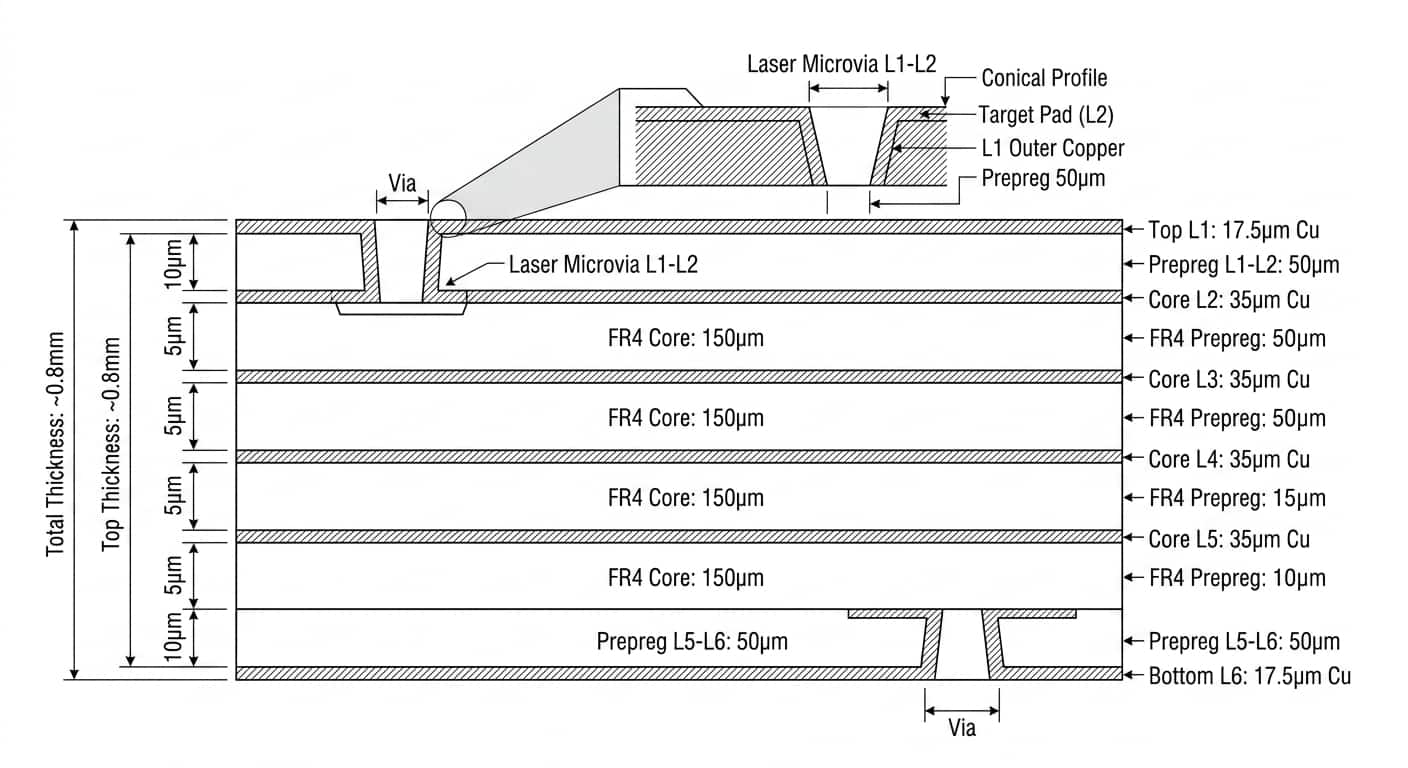
As medical wearables evolve towards 2026 sensor integration standards, the transition to 0201 (0603 Metric) components has become a manufacturing prerequisite. This JS Circuit Case Study explores 0201 SMT assembly stabilization, building upon the 6-layer HDI PCB fabrication foundations analyzed in previous part.
In high-density medical PCBA manufacturing, achieving a high first-pass yield requires a holistic control of the SMT ecosystem. Following the precision standards of our ISO 13485 certified facilities, this technical review outlines the engineering controls for complex HDI platforms.
1. Stencil Technology: Solving the Release Ratio Challenge
The primary hurdle in 0201 SMT assembly is achieving consistent solder paste deposit. At JS Circuit, we employ Nano-coated stencils to enhance the transfer efficiency of Type 4 and Type 5 solder pastes.
- Hydrophobic Surface: Nano-coating ensures that even 0.12mm apertures release the paste cleanly, reducing under-stencil cleaning cycles.
- Laser-Cut Precision: Micro-polished apertures prevent “dog-ear” solder peaks that lead to bridging.
2. Reflow Optimization: Preventing the “Tombstone” Effect
Reflow optimization is critical to prevent tombstoning—where a component stands on one end due to asymmetrical wetting forces. In our medical PCBA process, we implement Nitrogen (N2) Atmosphere reflow to reduce oxidation and improve wetting speed on 1+4+1 HDI stackups.
3. Pad Thermal Balancing: Footprint Fine-Tuning
Ensuring that both pads of an 0201 component have similar trace widths and thermal mass is critical. We optimize the DFM layout to synchronize the liquidus phase, preventing unbalanced surface tension from pulling the component upright during the reflow optimization process.
4. Automated Verification: The 3D SPI and AOI Protocol
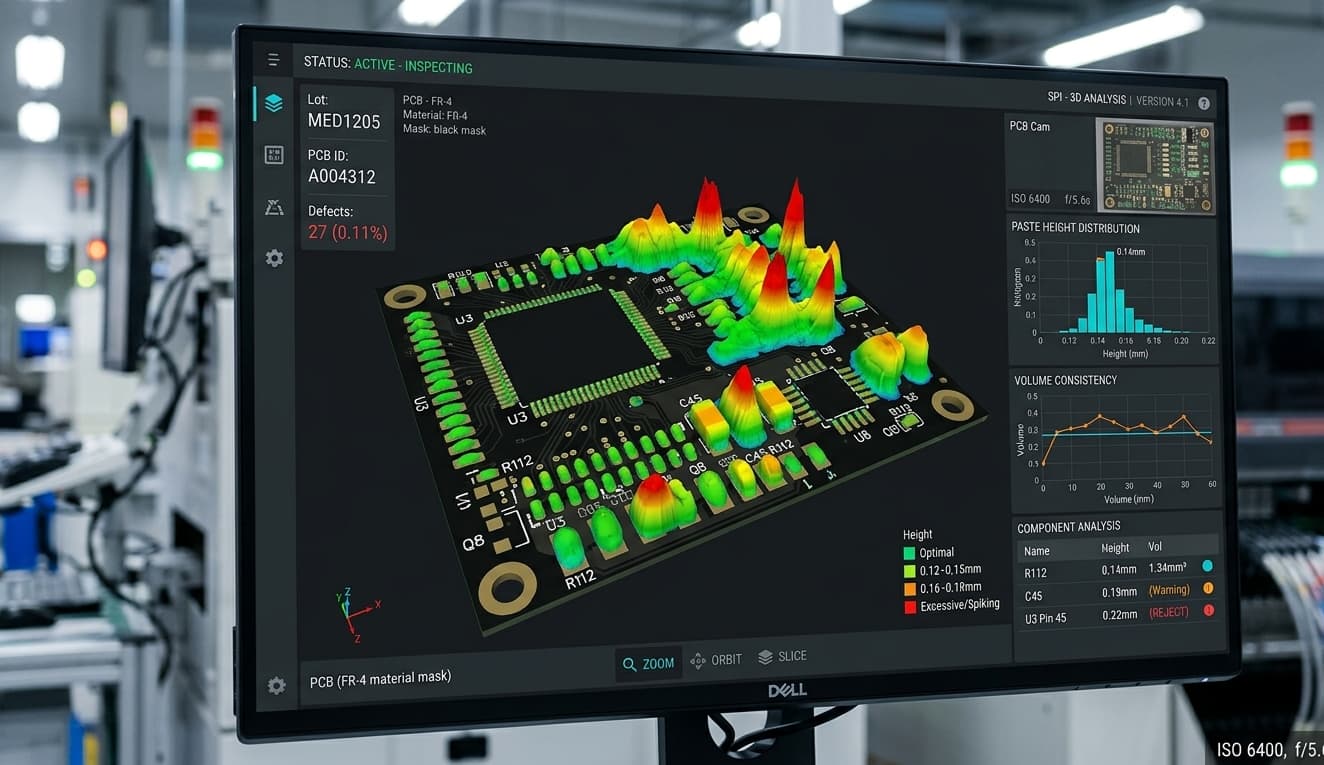
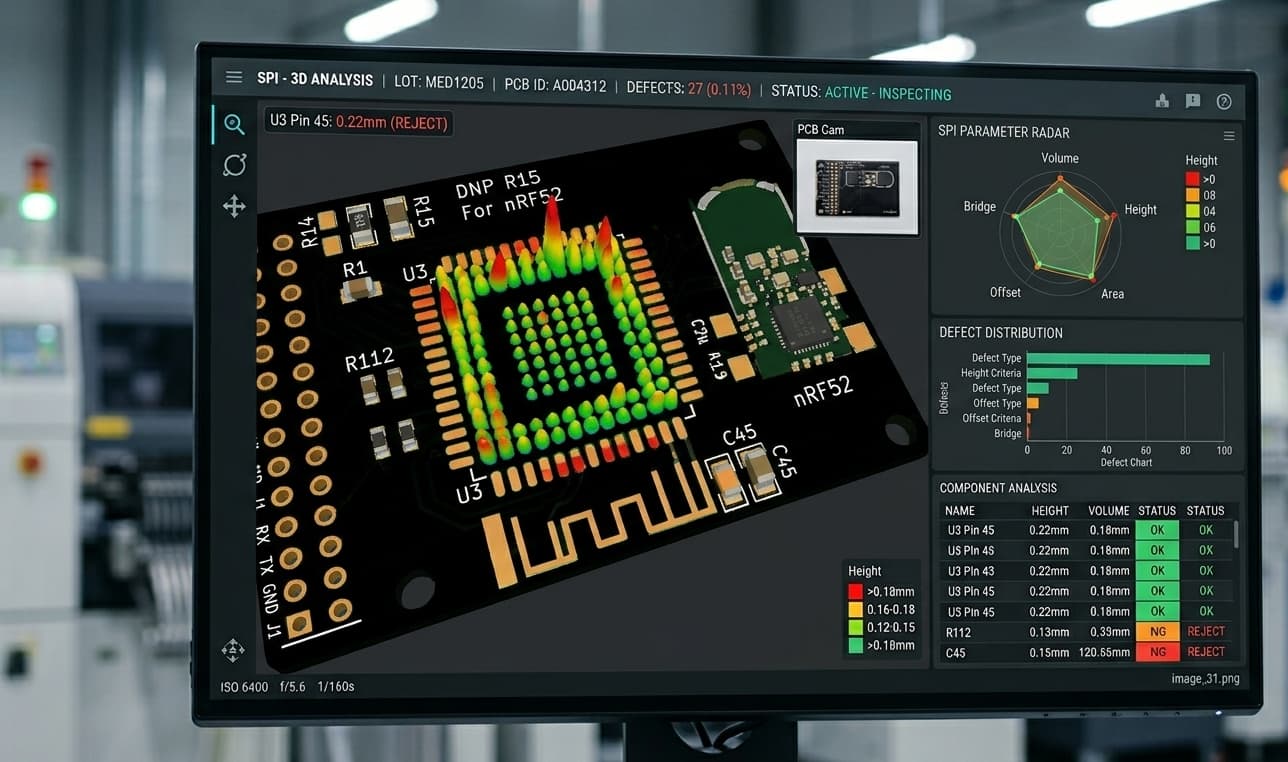
Verification at the 0201 scale cannot rely on 2D inspection. Our quality protocol integrates 3D SPI to measure volume and height before placement, catching 95% of potential defects before they reach the reflow optimization stage.
5. Engineering Verdict: Consistency over Speed
The success of 0201 SMT assembly is built on the consistency of the solder paste print. For medical PCBA, the investment in 3D SPI and reflow optimization pays for itself through drastically reduced rework and enhanced long-term field stability.
Technical Specifications Summary
| Process Factor | JS Circuit Standard |
|---|---|
| Component Metric | 0201 SMT Assembly Precision Placement |
| Stencil Spec | Laser-cut with Nano-coated stencil (FG Steel) |
| Reflow Standard | Reflow Optimization (Nitrogen Atmosphere) |
| Inspection Standard | 100% 3D SPI + 3D AOI + X-Ray |
Technical FAQ
1. What is the biggest risk in 0201 SMT assembly?
Solder bridging and tombstoning are the primary risks, managed through nano-coated stencils and reflow optimization.
2. How does JS Circuit manage medical PCBA reliability?
By adhering to ISO 13485 PCBA standards and utilizing advanced 3D inspection for every 0201 component.
3. Why is Nitrogen essential for reflow optimization?
It reduces oxidation, ensuring high-quality solder joints for high-density medical PCBA applications.
4. How is 3D SPI different from traditional inspection?
3D SPI measures the actual volume and height of the paste, not just the 2D footprint, catching variations before placement.
5. Does JS Circuit provide X-ray validation?
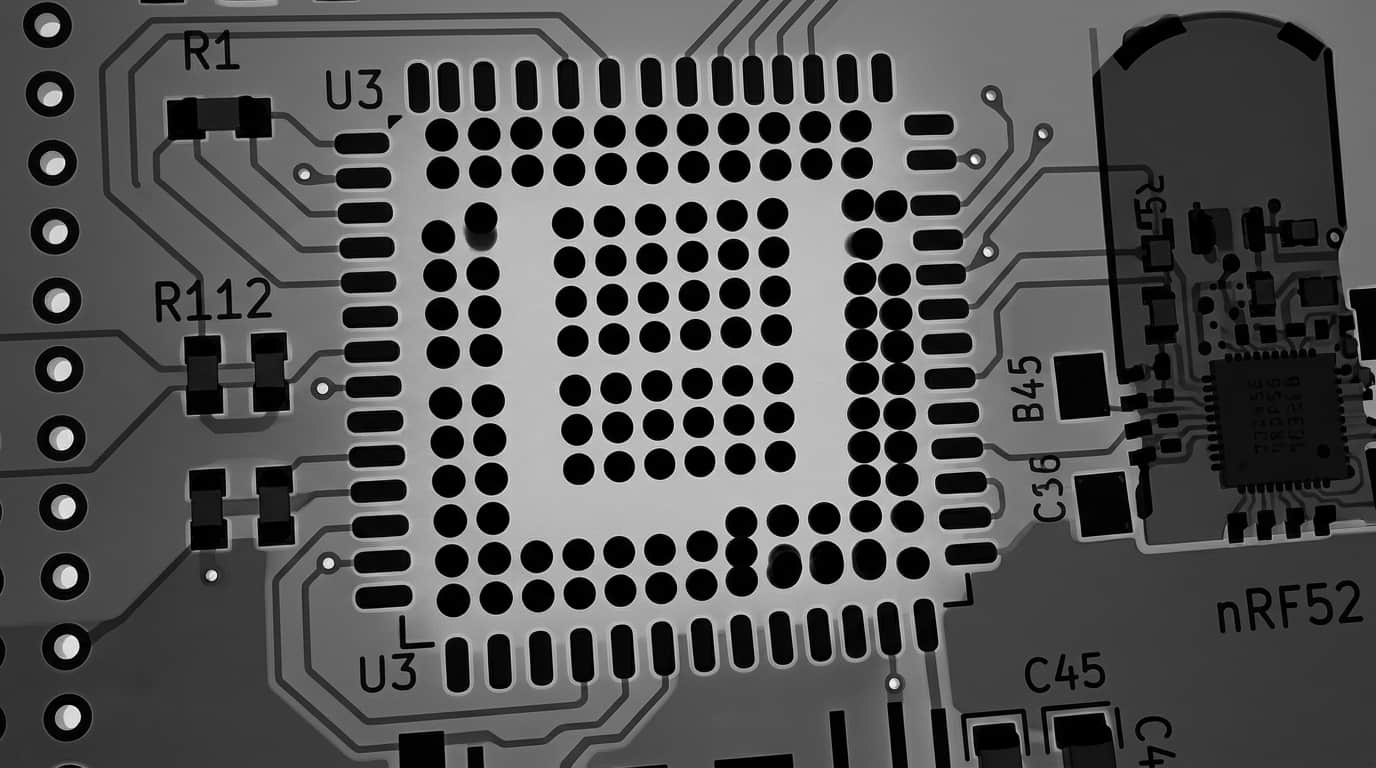
Yes, as part of our medical PCBA quality protocol to ensure zero internal voids in fine-pitch components.
6. How does JS Circuit ensure traceability for tiny 0201 components?
In strict compliance with ISO 13485 standards, our automated SMT lines utilize smart reel scanning and integrated MES (Manufacturing Execution Systems) to guarantee 100% lot traceability for every component on your medical PCBA.
Medical PCBA Engineering Series:
- Part 1: Engineering Precision: 6-Layer HDI PCB Fabrication
- Part 2: 0201 SMT Assembly & Reflow Optimization (Current)
- Part 3: Quality Validation: X-Ray, AOI & Testing for Medical Reliability (Coming Soon)