High Frequency PCB: Materials, Design and Applications Guide
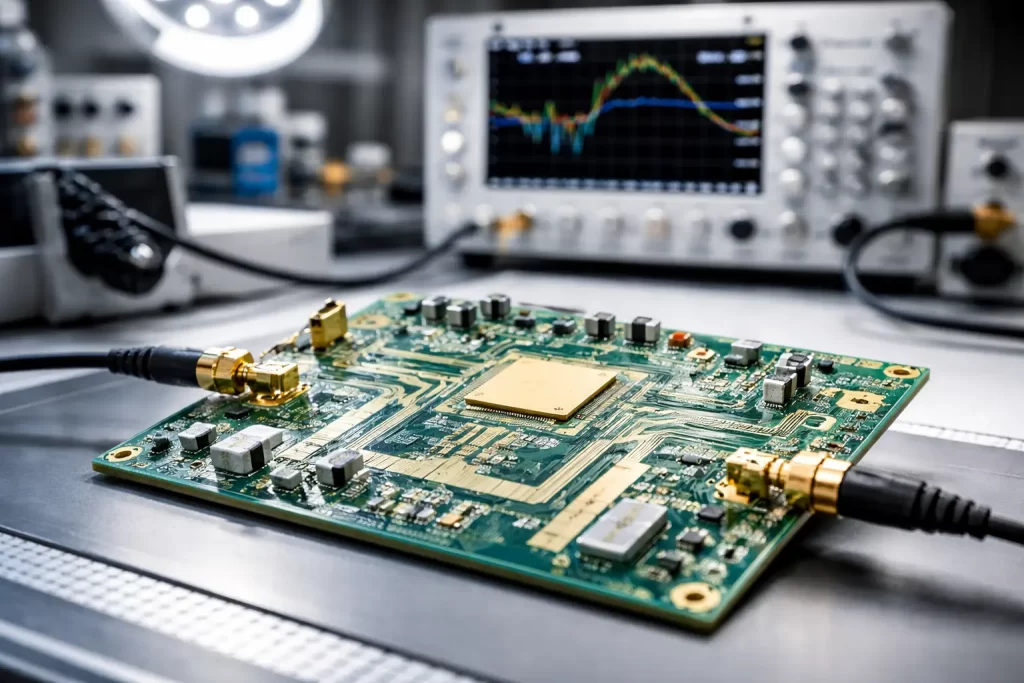
Master B2B procurement of High Frequency PCBs. Avoid costly risks with expert insights on PTFE laminates, hybrid stackups, the skin effect, and 5G/radar applications.
Top 10 High Frequency PCB Applications in RF and 5G Systems
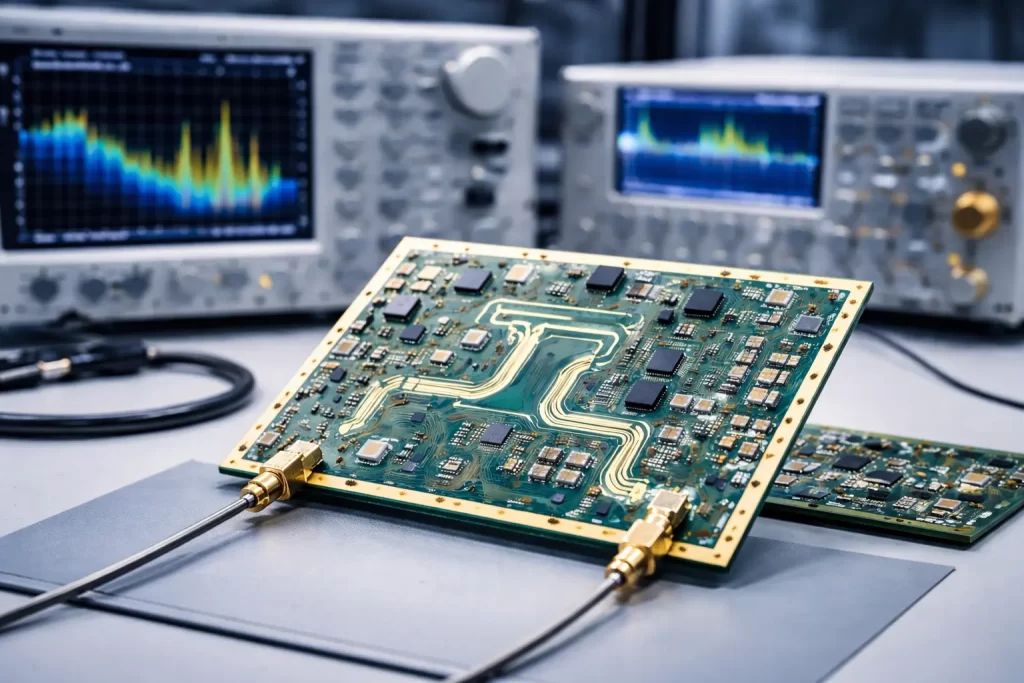
Explore High Frequency PCB technology for RF and 5G systems, including materials, impedance control, signal integrity, and automotive temperature performance. A technical guide for engineers and OEM manufacturers.
Rigid PCB: The Complete Engineering Guide for OEM Manufacturers
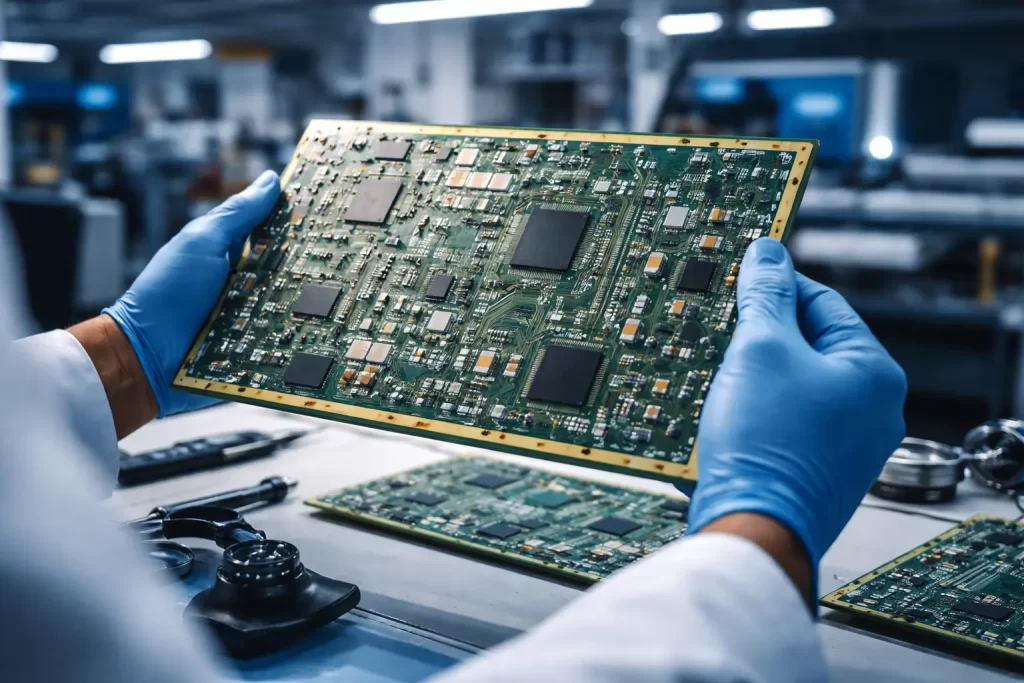
Comprehensive Rigid PCB engineering guide for OEM manufacturers covering lifespan, high-frequency performance, automotive ECU layer counts, warpage control, and reliability comparison with flexible PCBs.
FPC vs Rigid PCB: Which One Actually Wins in Modern Electronics?
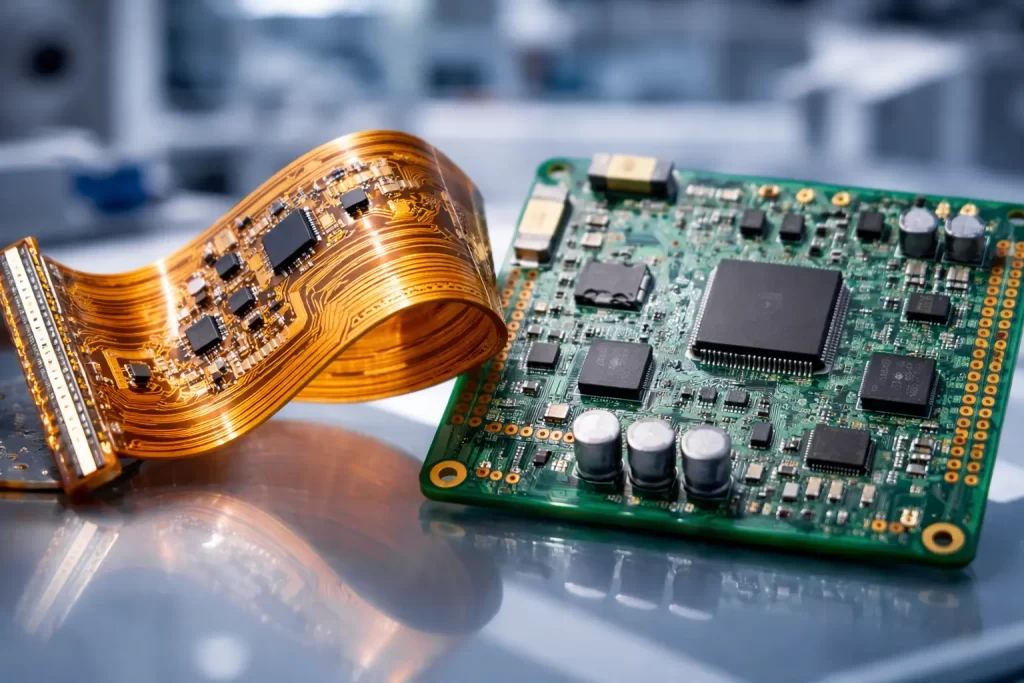
Explore the engineering differences between FPC and Rigid PCB. Learn about reliability, signal integrity, weight reduction, multilayer scalability, and industrial applications to choose the right PCB architecture for your next hardware design.
What Is Flexible PCB?
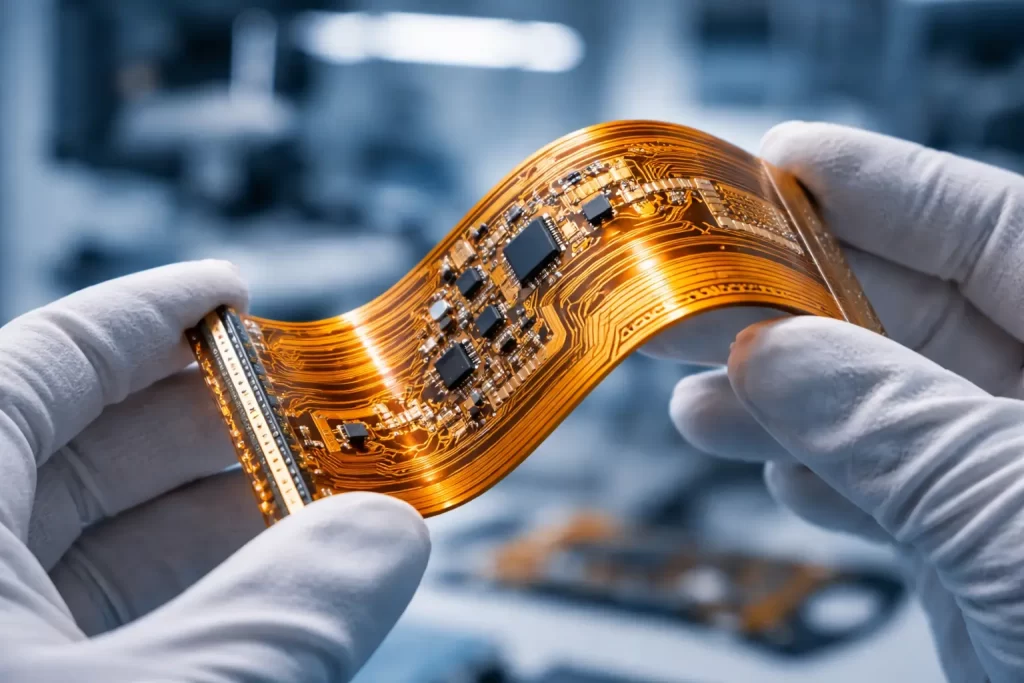
Learn what Flexible PCB is, how it works, and why it’s critical in modern electronics. Explore design principles, bend cycle reliability, high-frequency performance, and key differences between rigid and flexible PCBs.
PCB Design: Fundamentals and Best Practices
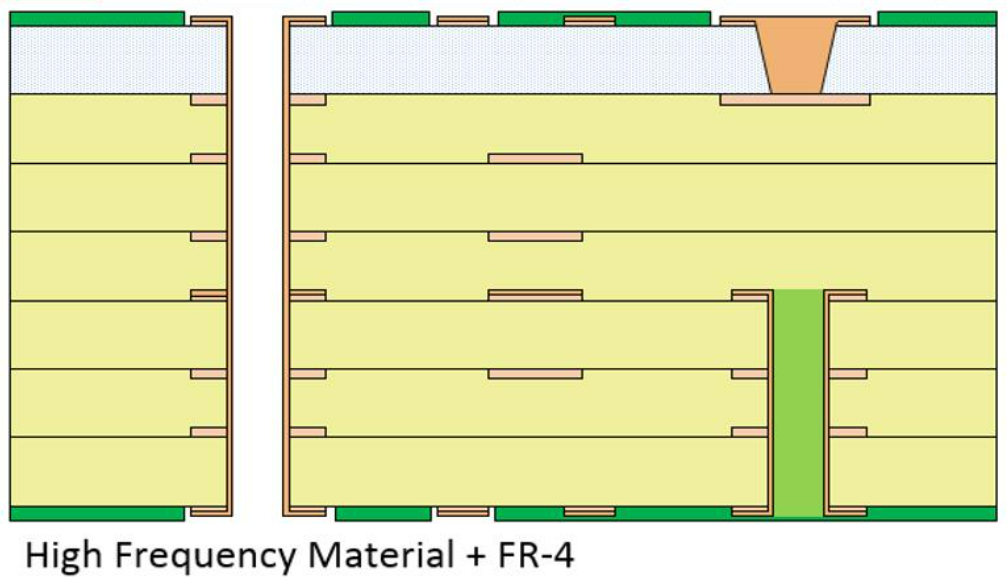
Explore the essential fundamentals of PCB design and learn best practices for creating high-performance, reliable printed circuit boards. Get insights into component placement, material selection, and optimizing for manufacturability in your next PCB project.
How to Choose High Frequency PCB Materials and Stackups for Medical RF, Ultrasound, and Wireless Modules (U.S.)
Quick Summary A High Frequency PCB is selected by losses, stability, and repeatable impedance—not by a brand name. For U.S. medical RF, ultrasound, and wireless modules, the practical decision hinges on dielectric constant (Dk), dissipation factor (Df), copper roughness, and stackup geometry that keeps impedance controlled through manufacturing variation. Wireless commonly lives in the 2.4 […]