Executive Summary
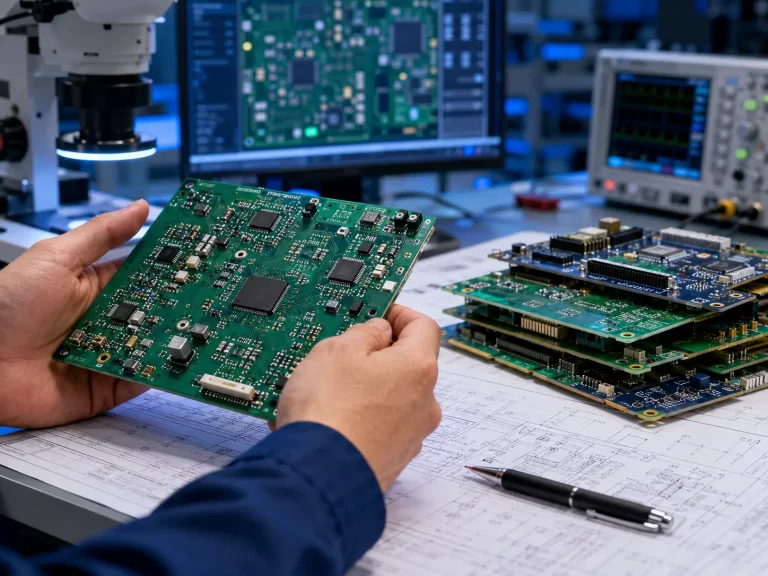
In the development of medical devices, the distance between a successful prototype and a compliant, mass-produced product is measured in DFM. Design for Manufacturing (DFM) is not merely a checklist—it is a risk mitigation strategy that directly impacts product reliability, manufacturing yield, and time-to-market. For medical applications, DFM is the difference between a device that functions and a device that lasts.
1. The Cost of Overlooking DFM
In the medical electronics industry, time-to-market is critical, but reliability is paramount. Design iterations often fail not because of the electrical concept, but due to physical constraints. We enforce strict Incoming Quality Control (IQC) protocols based on rigorous JEDEC standards and IPC-A-610 Class 3 criteria. When a design is finalized without DFM input, we encounter issues such as tombstoning during reflow or solder bridging. For complex assemblies—especially when dealing with 0201 SMT Assembly—these are not just inconveniences; they are potential failures that trigger non-conformance reports. A proactive DFM approach eliminates these risks at the CAD stage.
2. DFM as Risk Management (ISO 14971)
Under ISO 13485 and ISO 14971 standards, risk management is mandatory. DFM provides the technical evidence for this risk reduction. By optimizing trace widths and copper balancing, we prevent impedance discontinuities and thermal hotspots. When we review your design, we map each element to risk management principles: ensuring that solder joint geometry can withstand the mechanical stress profiles typical of portable medical devices. Good DFM is proactive regulatory compliance.
3. Advanced DFM: Navigating HDI Challenges
Modern medical devices are shrinking, necessitating the use of HDI (High-Density Interconnect) technology. DFM in this domain requires specialized knowledge. Issues like aspect ratios for laser-drilled microvias, copper wrap plating requirements, and annular ring constraints become critical. We often see designs that are functional but not “producible” at scale without specific modifications. For those interested in the technical precision behind this, our insights on 6-Layer HDI PCB Fabrication highlight how these complex stackups must be designed to avoid latent defects.
4. Three Pillars of Medical-Grade DFM
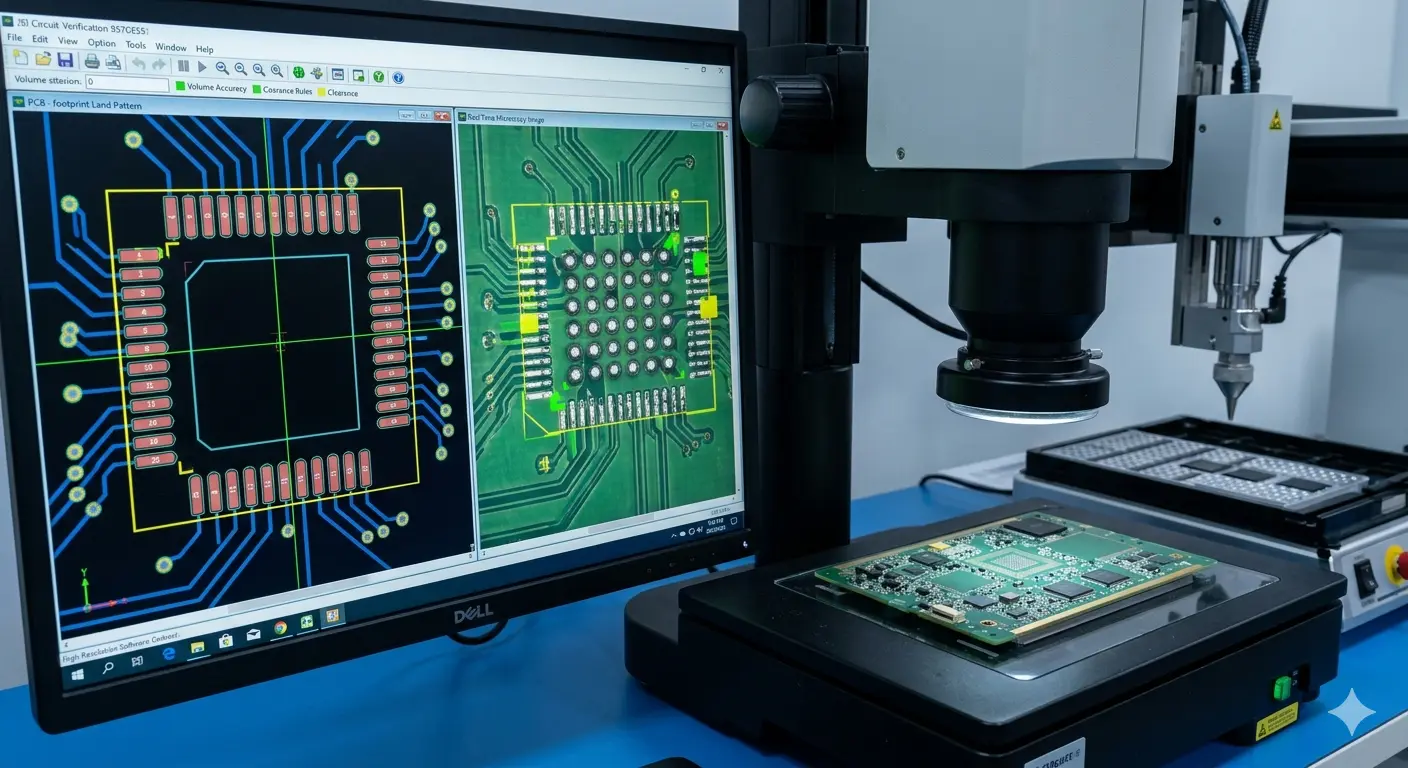
| Pillar | Engineering Focus |
|---|---|
| Component Layout | Optimizing orientation for thermal uniformity and rework accessibility. |
| Trace Geometry | Ensuring widths meet IPC Class 3 standards for long-term electrical reliability. |
| Fabrication Aids | Incorporating fiducials and tooling for seamless, high-yield assembly. |
5. Collaborative Design: The JS Circuit Approach
At JS Circuit, we do not simply “build what is sent.” We treat your design as a partnership. Our engineering team conducts a thorough DFM review before any file enters the production floor. We analyze your BOM for procurement risks and provide feedback on your layout to maximize yield. Once produced, our Quality Validation & Testing protocols ensure that the final product adheres to the exact design intent validated during the DFM phase.
FAQ: Expert DFM Guidance
Q1: At what stage should we engage JS Circuit for DFM?
Ideally, at the late-layout stage. Engaging us before you lock in your Gerber files allows us to suggest optimizations that save significant time and money.
Q2: Does DFM increase the initial design time?
It might add a small amount of time upfront, but it prevents much longer delays later caused by failed builds or necessary redesigns.
Q3: How does DFM relate to ISO 13485?
DFM is a core part of the “Design and Development” process under ISO 13485, helping to ensure the medical device is safe, performant, and reproducible.
Q4: What are the most common DFM errors found in medical PCBA?
Common errors include inadequate solder mask clearance, insufficient thermal relief pads, and poor component placement near board edges, which causes stress during singulation.
Q5: Can you help with component obsolescence during DFM?
Yes. As part of our BOM review, we proactively flag obsolete or high-risk components and suggest reliable, drop-in replacements.
Q6: How does JS Circuit provide DFM feedback?
We provide a formal DFM Report document detailing all findings, risk levels, and specific layout change recommendations to ensure your design achieves the highest possible yield.
Need a DFM Check on your next medical project?
Avoid production bottlenecks before they start. Let our engineers review your Gerber and BOM files.