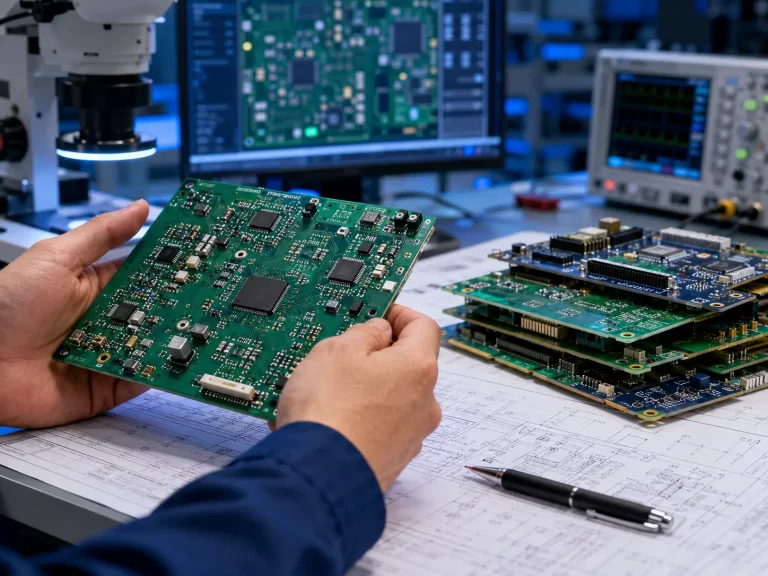
Why Are Single-Layer Flexible Circuits Crucial for Medical Devices?
“Imagine designing a cutting-edge wearable health device that monitors heart rate, oxygen levels, and even blood pressure—yet, it needs to be small, durable, and reliable. How do you ensure that all these components fit into one compact package?”
The answer lies in Single-Layer Flexible Circuits—a key innovation in medical device design. These circuits offer the flexibility and precision needed to create high-performance devices in a small footprint, making them ideal for medical applications where space is tight, and reliability is non-negotiable.

What Are Single-Layer Flexible Circuits?
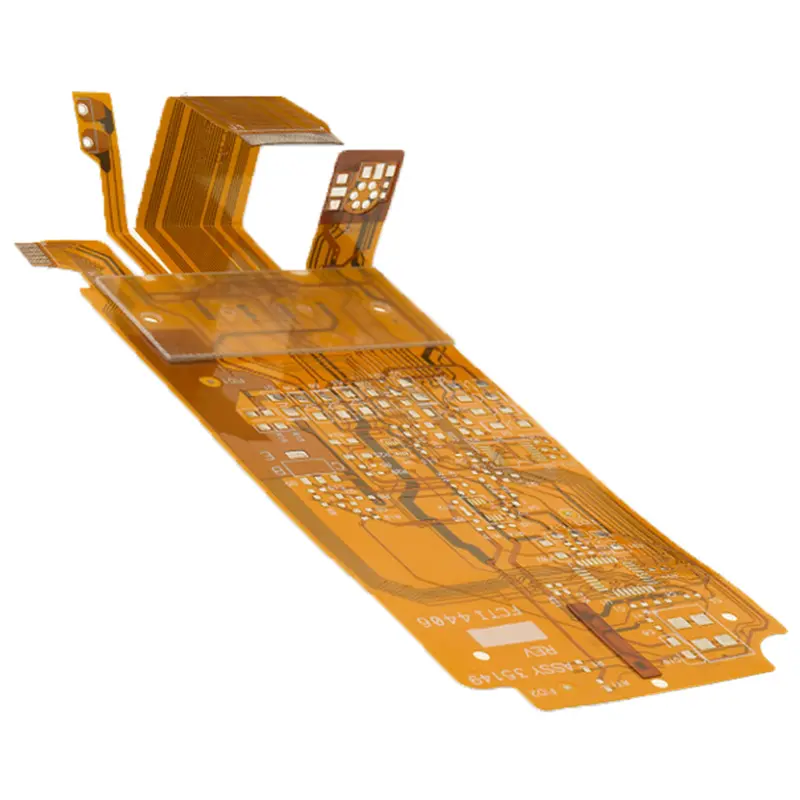
Single-Layer Flexible Circuits are flexible electronic circuits that are made of a single layer of conductive material, typically copper, attached to a flexible substrate like polyimide or polyester. Unlike traditional rigid PCBs, flex circuits can bend, twist, and stretch without losing their functionality.
They are often used in medical devices that require small, lightweight, and durable electronics that can withstand physical stress while delivering precise performance.
Benefits in Medical Devices:
-
Compact Design: Essential for small, wearable medical devices like pacemakers and glucose monitors.
-
Durability: These circuits can handle constant movement and harsh conditions, making them perfect for implantable devices or wearable health monitors.
-
Customization: Single-Layer Flexible Circuits are easily customizable to meet specific device needs, from thickness to the arrangement of components.
How Single-Layer Flexible Circuits Are Revolutionizing Medical Equipment
Single-Layer Flexible Circuits have become an essential part of modern medical technology, supporting devices that are crucial for monitoring and improving patient health. Let’s look at how these circuits are used in various medical applications.
-
Wearable Health Devices: Devices like fitness trackers and medical-grade wearables need flexible circuits to wrap around the wrist or body, providing accurate data without sacrificing comfort or mobility.
-
Implantable Devices: Pacemakers, cochlear implants, and neurostimulators use flexible circuits because of their compactness and ability to operate reliably within the human body, even in tight spaces.
-
Diagnostic Equipment: Single-Layer Flexible Circuits enable more precise readings in devices like ECGs, EEGs, and blood glucose meters, all while maintaining low power consumption.
For more details on how we manufacture high-quality Single-Layer Flexible Circuits, visit JSCircuit.
Key Benefits of Single-Layer Flexible Circuits for Medical Applications
-
Compact and Lightweight: Medical devices, especially wearables, need to be as lightweight and unobtrusive as possible. Single-Layer Flexible Circuits allow for smaller designs that fit perfectly into the smallest of devices, without compromising performance.
-
Enhanced Durability: Medical devices often operate in environments subject to movement, vibration, or even harsh conditions. These circuits can handle these stresses, making them perfect for both implantable and external wearable devices.
-
Customization: Every medical device is different, and flexible circuits are highly customizable to fit the unique form factor of each product. Whether it’s a specialized sensor or power regulation, these circuits can be tailored to meet precise design specifications.
JSCircuit’s Expertise in Single-Layer Flexible Circuits for Medical Devices
At JSCircuit, we specialize in Single-Layer Flexible Circuits designed for the medical industry. With years of experience in PCB manufacturing, we understand the stringent requirements of medical devices. Our circuits are designed to meet the highest standards of durability, reliability, and flexibility, ensuring that they can perform even in the most demanding medical environments.
From wearables to implantable devices, we deliver flexible circuits that meet the most stringent quality standards. Discover more about our solutions at JSCircuit’s About Us page.
Case Study: Single-Layer Flexible Circuits in a Wearable ECG Device
In one of our recent projects, we worked with a medical technology company to design a wearable ECG device. The device needed to be compact, comfortable, and capable of accurately monitoring heart activity over long periods. Traditional rigid PCBs wouldn’t have worked because they would have made the device bulky and uncomfortable for patients.
Our Single-Layer Flexible Circuits were the perfect solution. They were thin, lightweight, and flexible, allowing the device to fit snugly against the body without compromising on performance. The end result was a wearable ECG device that was not only effective but also comfortable and easy to wear for long hours.
The Future of Single-Layer Flexible Circuits in Medical Devices
As the medical industry continues to evolve, Single-Layer Flexible Circuits will play a pivotal role in the next generation of medical devices. Advancements in wearables, implantable electronics, and telemedicine will all rely on flexible, durable, and compact circuit technologies to power innovation.
At JSCircuit, we are committed to staying at the forefront of this technology, continuously improving our manufacturing processes to provide the best flexible circuits for medical applications.

FAQ: Frequently Asked Questions
-
What are the advantages of using Single-Layer Flexible Circuits in medical devices?
-
Answer: Single-Layer Flexible Circuits are compact, durable, and highly customizable, making them ideal for wearable, implantable, and diagnostic medical devices. They offer reliability, precision, and flexibility that traditional rigid circuits cannot match.
-
-
How do Single-Layer Flexible Circuits differ from traditional rigid PCBs?
-
Answer: Unlike rigid PCBs, Single-Layer Flexible Circuits can bend and flex, making them ideal for small, complex, and wearable medical devices that require flexibility and durability.
-
-
Can Single-Layer Flexible Circuits be used in implantable medical devices?
-
Answer: Yes, Single-Layer Flexible Circuits are commonly used in implantable devices like pacemakers and neurostimulators because they offer both flexibility and reliability in tight spaces.
-
-
Are Single-Layer Flexible Circuits cost-effective for medical device manufacturers?
-
Answer: Yes, flexible circuits are cost-effective due to their simple design and reduced need for additional components, making them an affordable option for medical device manufacturers.
-
-
What is the future of Single-Layer Flexible Circuits in the medical field?
-
Answer: The future of Single-Layer Flexible Circuits in the medical field looks promising, with applications expanding into more advanced wearable devices, telemedicine, and implantable electronics.
-
Embracing Innovation with Single-Layer Flexible Circuits
The integration of Single-Layer Flexible Circuits in medical devices is more than just a trend; it’s a revolution that allows for smaller, more reliable, and more efficient devices. At JSCircuit, we continue to push the boundaries of innovation to deliver the best possible solutions for the medical industry. With our experience and commitment to quality, we ensure that the devices of tomorrow are powered by the most advanced flexible circuit technologies available.