Technical Summary
Integrating high-frequency microwave laminates (e.g., Rogers RO4000 series) with conventional FR-4 glass-epoxy substrates in a hybrid stackup represents a highly effective methodology for optimizing both electrical performance and manufacturing cost. However, the inherent discrepancies in the Coefficient of Thermal Expansion (CTE) between these heterogeneous materials introduce severe thermo-mechanical risks during high-temperature thermal excursions. This white paper from JS Circuit details the critical engineering principles required to mitigate CTE mismatch, maintain structural flatness, and ensure robust interconnect reliability in multi-layer hybrid printed circuit boards.
1. The Heterogeneous Dilemma: RF Performance vs. Mechanical Integrity
Modern wireless communication, radar systems, and high-frequency microwave applications demand specialized substrate properties, such as low dielectric loss (Df) and a stable dielectric constant (Dk). Rogers materials excel in these environments due to their hydrocarbon and ceramic-filled composition. To optimize cost, designers often limit these expensive laminates to critical RF signal layers while utilizing economical FR-4 for the remaining digital, power, and ground layers. This approach creates a complex hybrid stackup. The core challenge shifts from pure electronics to mechanical reliability, as these materials respond differently to the thermal stresses encountered during automated reflow assembly and operational cycling.
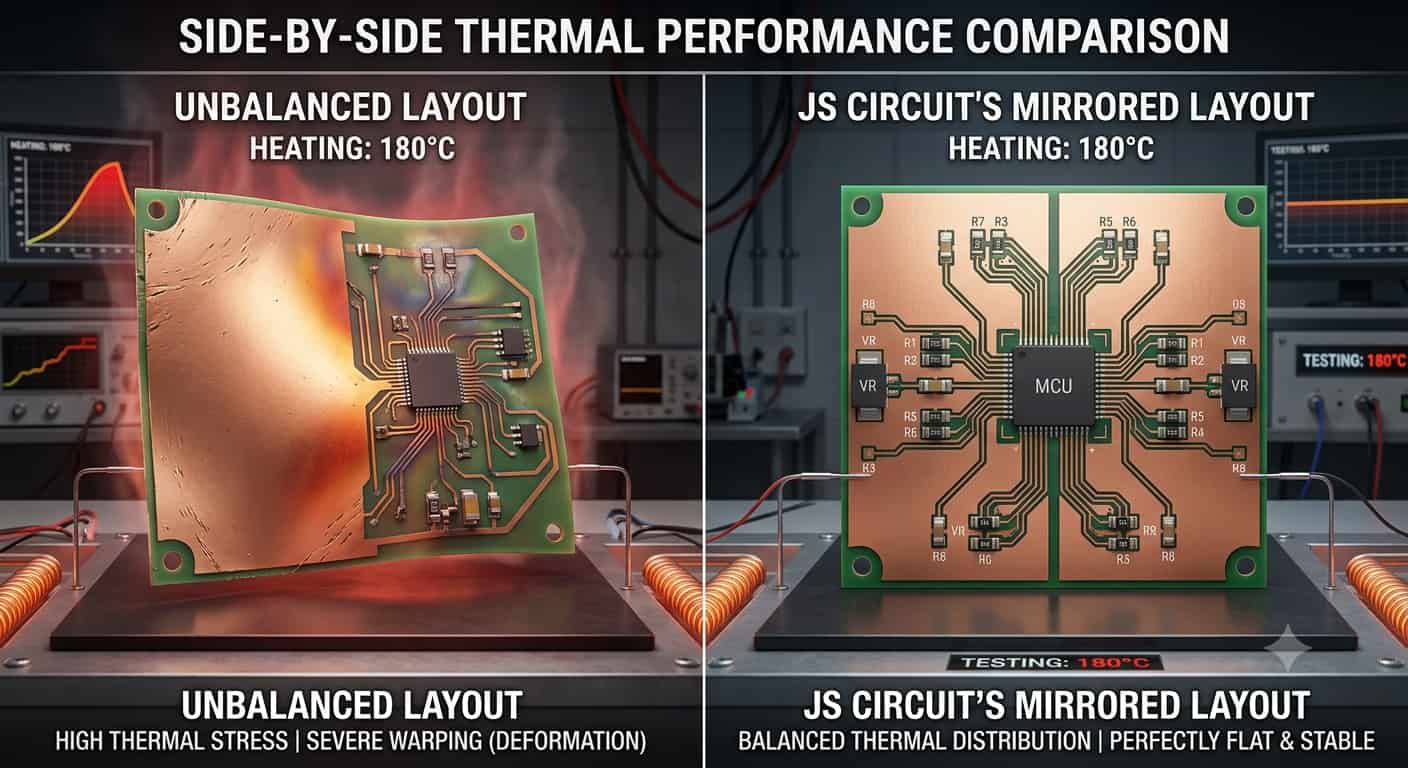
Figure 1: Symmetrical Hybrid Stackup Cross-Sectional Optimization | JS Circuit
2. Comprehensive Analysis of Coefficient of Thermal Expansion (CTE) Mismatch
The primary driver of structural failure in mixed-material PCBs is the unequal volumetric expansion under heat, quantified by the Coefficient of Thermal Expansion (CTE). Rogers laminates are engineered for exceptional dimensional stability, showcasing a low X-Y axis CTE (typically matching copper at 14–16 ppm/°C) and a constrained Z-axis expansion. Standard FR-4, however, behaves non-linearly. Once the temperature exceeds its Glass Transition Temperature (Tg), the Z-axis CTE of FR-4 skyrockets dramatically. When laminated together, the differential expansion creates intense interfacial shear stress along the material boundaries. This structural stress routinely induces copper barrel deformation, pad lifting, and micro-via cracks.
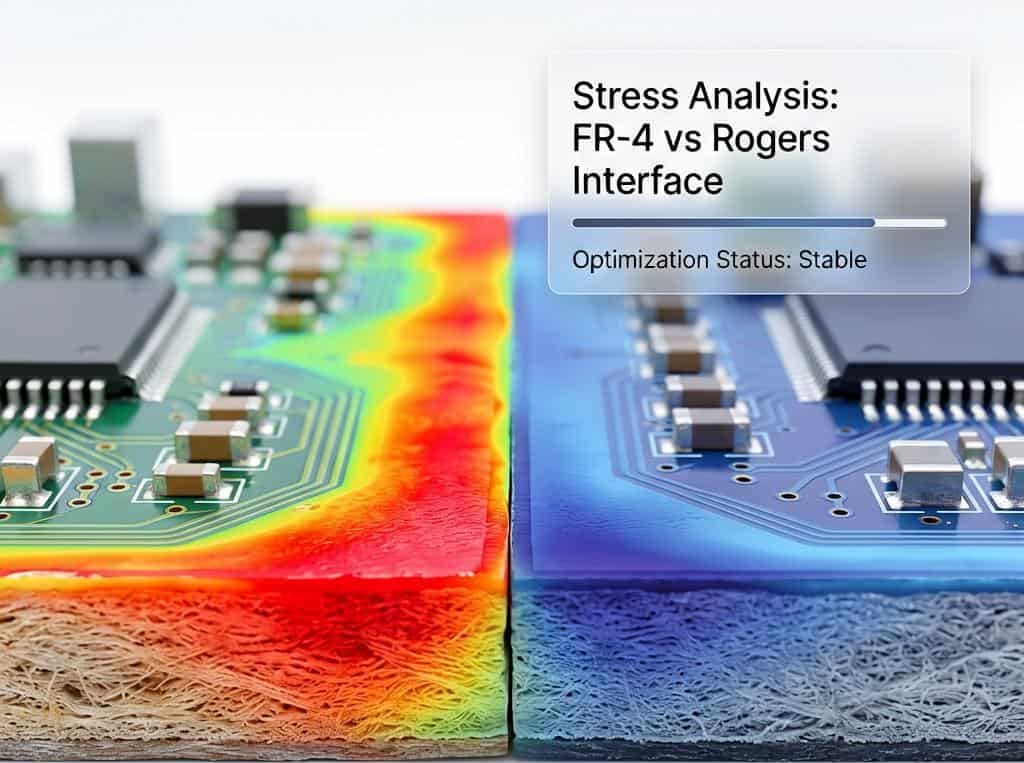
Figure 2: Finite Element Analysis (FEA) of Interfacial Shear Stress | JS Circuit
3. Material Properties Comparison: High-Frequency vs. Standard Substrates
To develop an effective mitigation strategy, engineers must thoroughly evaluate the divergent physical attributes of the selected materials. The table below outlines the critical parameters that JS Circuit monitors during the design-for-manufacturing (DFM) phase:
| Substrate Property | Standard FR-4 High-Tg | Rogers RO4003C / RO4350B | JS Circuit Engineering Protocol |
|---|---|---|---|
| CTE (X-Y Plane) | 14 – 17 ppm/°C | 14 – 16 ppm/°C | Symmetrical balancing across neutral axis |
| CTE (Z-Axis, post-Tg) | 220 – 270 ppm/°C | 46 – 50 ppm/°C | High-elongation copper plating requirement |
| Thermal Conductivity | 0.40 W/m/K | 0.62 – 0.71 W/m/K | Targeted thermal via arrays for heat dissipation |
| Moisture Absorption | 0.15% – 0.20% | < 0.06% | Mandatory pre-lamination baking sequences |
4. Essential DFM Guidelines for Balancing Hybrid Stackups
To minimize physical warping and prevent internal copper fracture, JS Circuit implements a strict symmetry protocol. The stackup must be physically balanced from the centerline outward, meaning that any Rogers layer placed on the top half must be mirrored with an identical layer on the bottom half. Furthermore, the selection of the bonding medium—the prepreg—is vital. Standard prepregs often fail to provide sufficient resin flow or adhesion to the ceramic-filled Rogers surfaces. JS Circuit specifies specialized low-flow or high-adhesion prepregs (such as Rogers RO4450F or compatible high-Tg bonding films) to bridge the gap between dissimilar materials, maximizing interfacial bond strength.
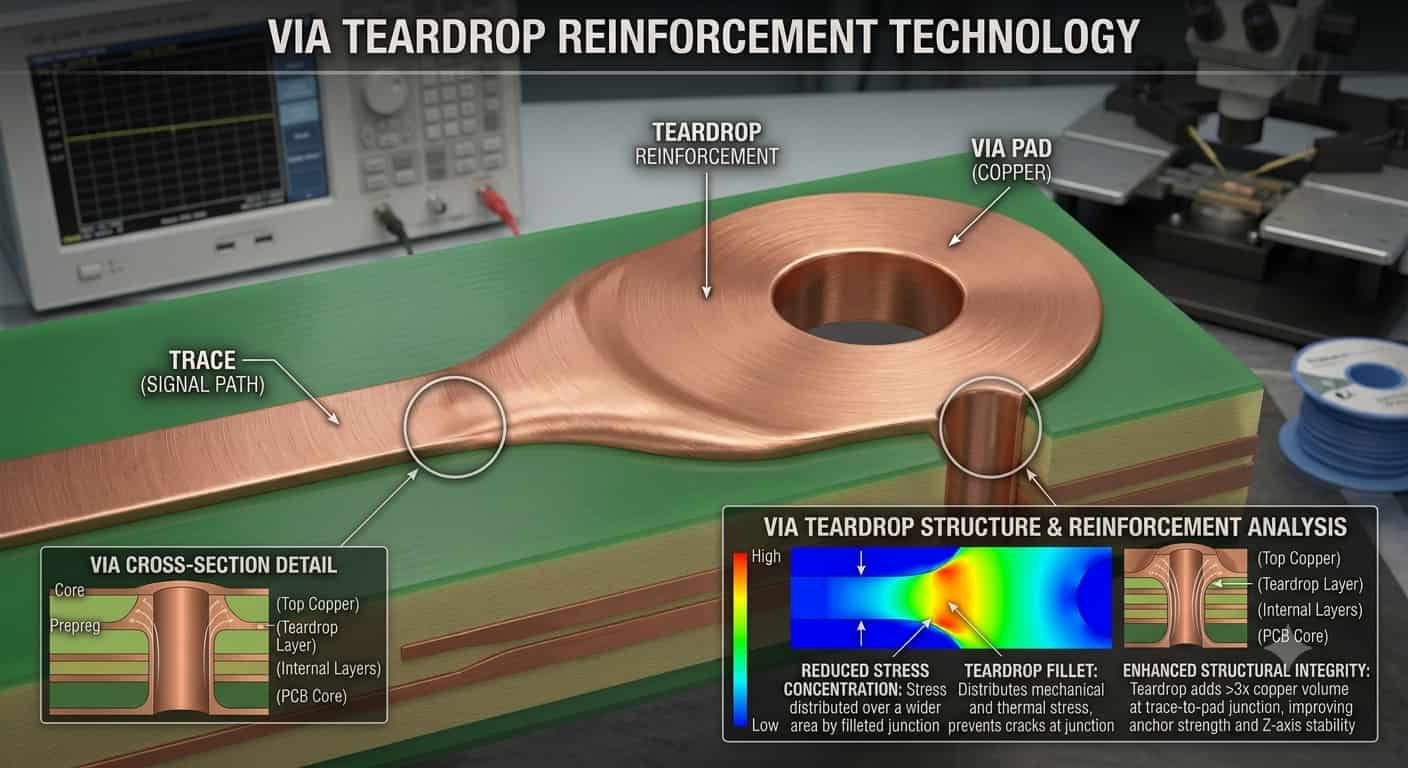
Figure 3: Advanced Via Pad and Teardrop Geometry Optimization | JS Circuit
5. Plated Through-Hole (PTH) and Via Anchor Optimization
Because the Z-axis CTE mismatch cannot be fully neutralized, the design of internal interconnects must be structurally robust enough to withstand localized strain. JS Circuit recommends modifying standard via geometry by adding teardrops to all internal pads. Teardrops add structural copper volume at the high-stress transition point where the trace enters the via pad, preventing trace-to-pad breakouts. Additionally, increasing the internal pad diameter and maintaining a minimum copper plating thickness of 1.0 mil (25µm) within the hole wall barrel provides the required tensile capacity to absorb structural expansion without fracturing.
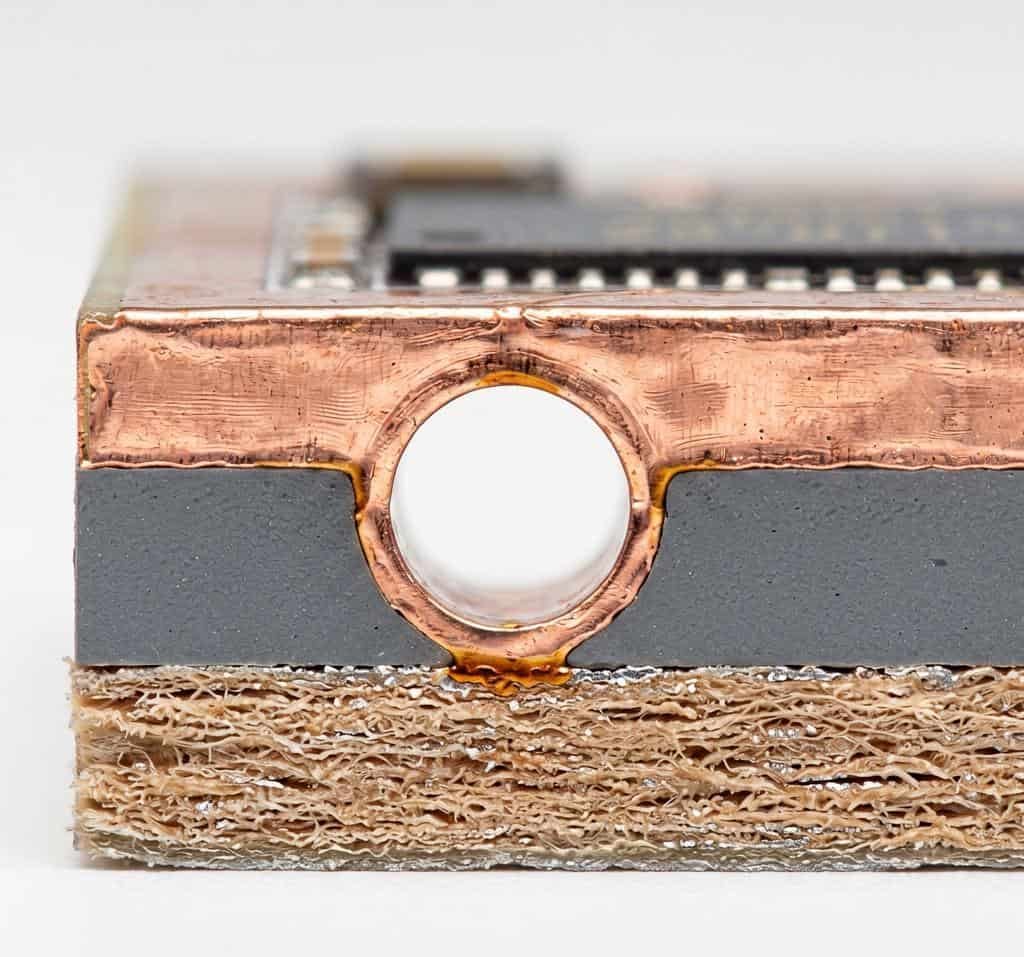
Figure 4: Post-Reflow Reliability Cross-Sectional Verification | JS Circuit
6. Reliability Validation via Accelerated Thermal Stress Testing
At JS Circuit, validation is the final proof of manufacturing excellence. Every hybrid stackup design undergoes extensive simulation followed by actual prototype cross-sectional verification. To replicate real-world environments, completed boards are subjected to accelerated thermal shock testing (ranging from -40°C to +125°C) for multiple cycles. This aggressive validation process ensures that the balanced stackup parameters, prepreg selections, and modified via anchoring systems work seamlessly together to deliver field reliability. By eliminating delamination risks at the design phase, JS Circuit ensures long-term signal fidelity for high-performance aerospace, automotive radar, and medical RF electronics.
📋 Technical FAQ: Hybrid Stackup Engineering
Q1: Why can’t I use standard FR-4 prepreg to bond a Rogers core?
A1: Standard FR-4 prepregs may lack the specific resin fill capacity and chemical compatibility needed to bond securely with the heavily ceramic-filled surfaces of Rogers cores, frequently resulting in delamination during assembly reflow.
Q2: What is the risk if a hybrid stackup is designed completely asymmetrical?
A2: Severe bow and twist warping will occur during lamination and reflow. The unmitigated mechanical stress from the uneven material expansion will pull the board out of flat, making automated component assembly impossible and tearing internal vias.
Q3: How does moisture absorption affect hybrid board reliability?
A3: Discrepancies in absorption rates can cause localized steam outgassing during reflow. JS Circuit requires a specific pre-lamination baking process to fully extract residual moisture before bonding.
Q4: Does JS Circuit recommend specific copper weights for internal hybrid layers?
A4: Yes, we recommend balancing the copper distribution as evenly as possible. Using 1 oz copper weights on mirrored planes helps distribute thermal stress uniformly across the central neutral axis.
Q5: Can micro-vias be safely placed within the Rogers layer of a hybrid build?
A5: Yes. Because Rogers has a relatively stable, low CTE in the X-Y plane, laser-drilled micro-vias within the Rogers material perform exceptionally well, provided the capture pad diameter is optimized with teardrops to handle the adjacent FR-4 Z-axis movement.
Developing a high-frequency RF or microwave product? Contact JS Circuit’s engineering team today for a comprehensive hybrid DFM stackup review.