Rigid PCB Manufacturer
High-reliability FR-4 rigid PCBs with multi-layer, HDI and controlled-impedance options for demanding industrial, automotive and communication electronics.
Rigid PCB Manufacturer in China
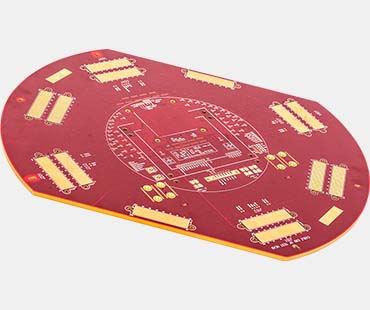
Rigid PCBs are non-flexible printed circuit boards that provide stable mechanical support and reliable electrical interconnection for electronic components. With FR-4 or high-performance laminates, multiple copper layers, and precise drilling and plating, rigid boards are widely used in consumer, industrial, automotive, medical, and communication electronics.
Detailed Specification
| Item | Value |
|---|---|
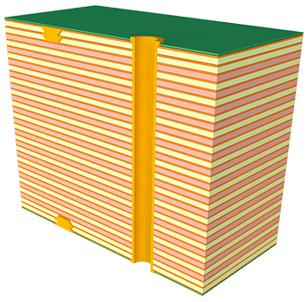
| Layer Count | 30L |
| Board Thickness | 3.8 mm |
| Aspect Ratio | 12 |
| Blind Vias | L29 – L30 |
| Line Width / Space | 0.075 / 0.05 mm |
| Min. Drill Size | 0.25 / 0.40 mm |
| Impedance | More than 20 impedance lines |
| Surface Finish | ENIG |
Different Types of Rigid PCB
Rigid PCB Design
Key Features of High-Performance Rigid PCBs
High-performance rigid PCBs provide a stable, non-flexing base for components, ensuring consistent mechanical strength and electrical reliability over the full product life cycle. Using FR-4 or high-Tg laminates, they support multi-layer stack-ups, controlled impedance routing, and dense SMT/BGA mounting without sacrificing manufacturability.
Precise drilling, copper plating and surface finishes such as ENIG or lead-free HASL deliver reliable solder joints and repeatable assembly results. With options for fine line width/space, tight tolerances and impedance control, rigid PCBs are well suited to demanding designs that must balance cost, performance and long-term reliability.
Wide-Ranging Applications of Rigid PCBs
Rigid PCBs are the backbone of mainstream electronic hardware where a firm, dimensionally stable board is required. They are widely used in consumer devices (TVs, set-top boxes, home appliances), IT and communication equipment (routers, switches, servers, base stations), as well as industrial control, power supplies and measurement instruments.
In automotive electronics, rigid PCBs support ECUs, dashboard modules, lighting drivers and on-board chargers that must withstand vibration and thermal cycles. Medical devices, security systems and smart home controllers also rely on rigid PCBs to deliver repeatable performance, easy assembly and scalable mass production.