Technical Summary
Transitioning a hybrid RF/microwave design from a theoretical stackup to a physical, high-reliability circuit board requires uncompromising precision during the multi-layer lamination stage. Because ceramic-filled hydrocarbon laminates (such as Rogers RO4000) possess radically different surface energies and thermal expansion traits compared to standard FR-4 prepregs, conventional pressing cycles invariably lead to resin starvation, micro-voids, or catastrophic delamination. This white paper analyzes the advanced lamination rheology, fluid-resin management, and multi-stage press profiling executed by JS Circuit to ensure optimal interlayer bonding strength and absolute structural integrity.
1. The Manufacturing Challenge: Bonding Incompatible Materials
While designing a balanced, symmetrical hybrid stackup solves the primary macroeconomic stress formulas, executing that design on the factory floor introduces an entirely new set of fluid dynamics challenges. The smooth, non-porous surfaces of PTFE or ceramic-filled RF cores do not naturally interface well with the standard epoxy resins found in traditional FR-4 prepregs (PP). During the thermal pressing phase, if the resin does not flow evenly into the internal copper topography, tiny vacuum voids form at the boundary layer. At JS Circuit, we overcome this material incompatibility through specialized chemical surface preparation and customized thermal press scheduling, transforming a high-risk mixed-material stackup into a unified, robust structure.
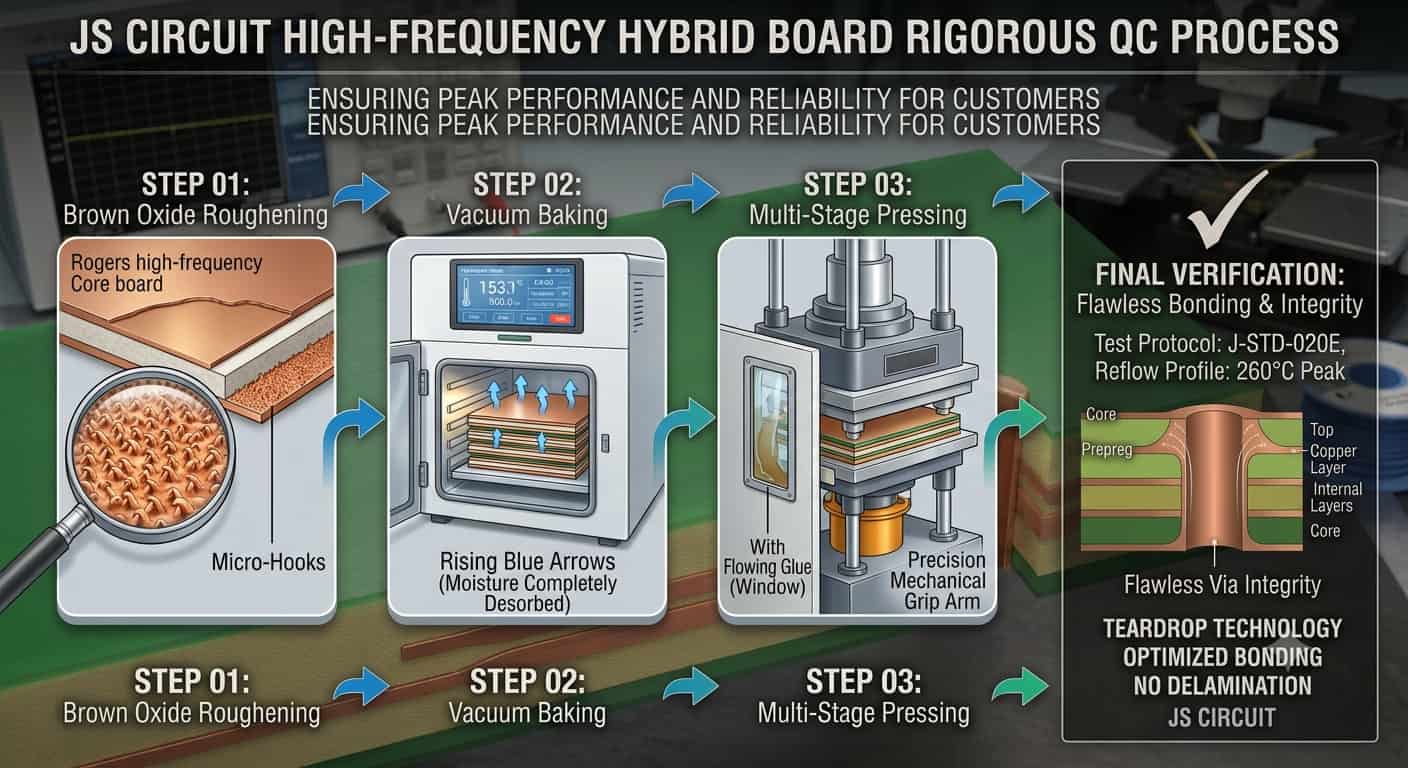
Figure 1: JS Circuit Multi-Stage Hybrid PCB Lamination Process Flow Chart | JS Circuit
2. Advanced Lamination Process Flow & Surface Pre-Treatment
As illustrated in the process flow chart above, a reliable bond cannot be achieved without rigid multi-stage preparation. Prior to layer layup, the inner-layer Rogers cores undergo an automated chemical oxide alternative brown treatment. This process alters the microroughness of the copper and ceramic surface, drastically expanding the available mechanical interlocking area. Following surface modification, the layers proceed through a mandatory high-vacuum baking sequence to completely desorb volatile organic compounds and moisture. Moisture trapped between dissimilar cores is a primary catalyst for delamination, as it violently outgasses when exposed to the 260°C temperatures of automated wave or reflow soldering.
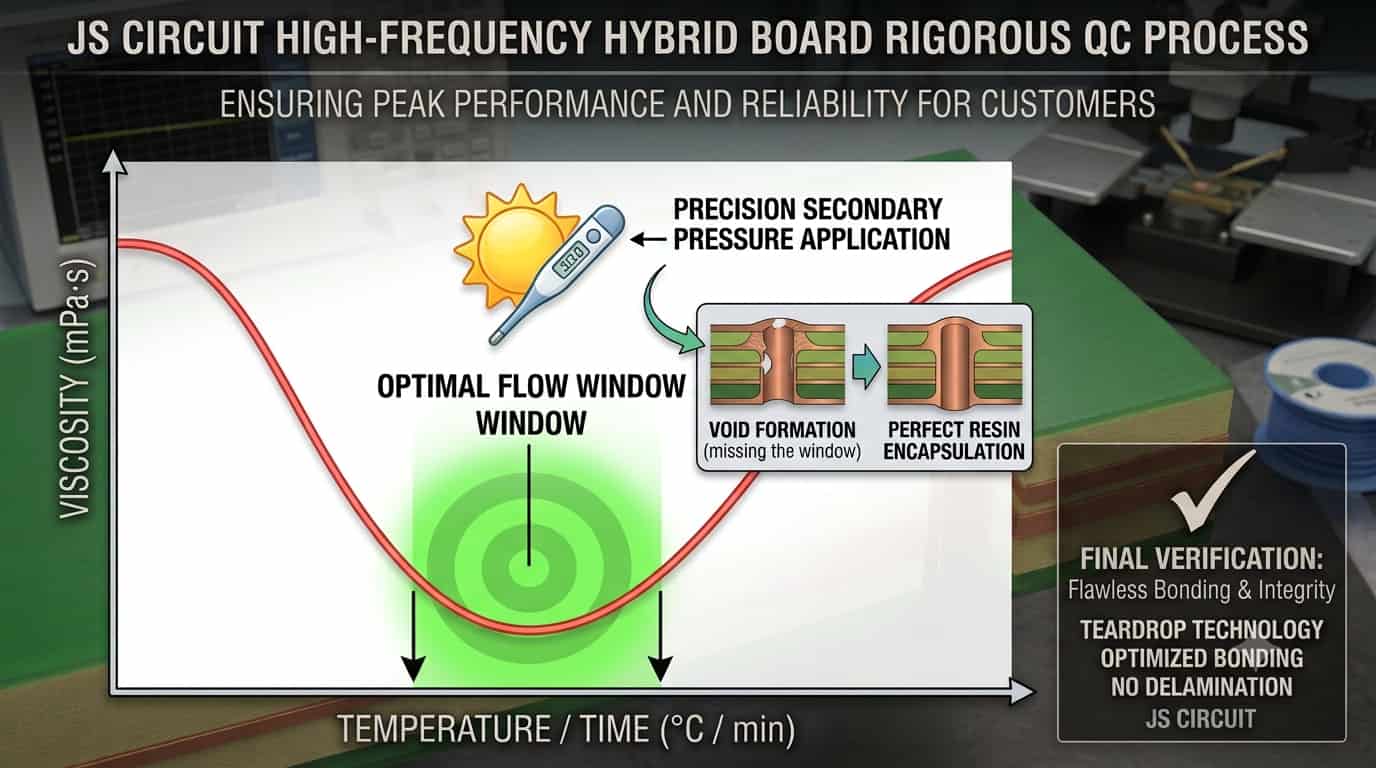
Figure 2: Resin Viscosity Rheology & Flow Window Optimization | JS Circuit
3. Resin Rheology and Thermal Press Profile Optimization
The core of lamination control lies within managing the resin’s “fluid window.” As temperature increases inside the vacuum press, the prepreg resin liquefies before cross-linking into a solid polymer. If pressure is applied too early—while the resin viscosity is extremely low—excessive resin will squeeze out of the board, causing “resin starvation” and glass-weave exposure. Conversely, if pressure is applied too late, the resin will have already begun gelation, resulting in poor encapsulation around internal copper traces and creating micro-voids. JS Circuit utilizes computerized multi-stage hydraulic presses that modulate temperature ramp rates at a strict 1.5–2.5°C/min, maintaining a precise, predictable fluid window to guarantee 100% trace encapsulation.
4. Multi-Stage Press Profile Parameters
To maintain consistency across diverse material combinations, JS Circuit engineers lock in rigorous, data-driven lamination recipes tailored specifically for Rogers/FR-4 configurations:
| Process Phase | Critical Parameter Targets | JS Circuit Quality Control Action |
|---|---|---|
| Pre-Vacuum Phase | < 50 mbar vacuum pressure | Extracts microscopic ambient air to prevent air pocket entrapment |
| Heating & Flow Phase | 1.5°C to 2.5°C / minute rise | Optimizes resin viscosity for total trace encapsulation without starvation |
| Full Curing Phase | 185°C for minimum 90 minutes | Ensures complete molecular cross-linking of heterogeneous polymers |
| Controlled Cooling | < 3.0°C / minute reduction | Gradually releases latent internal stresses to eliminate latent warpage |
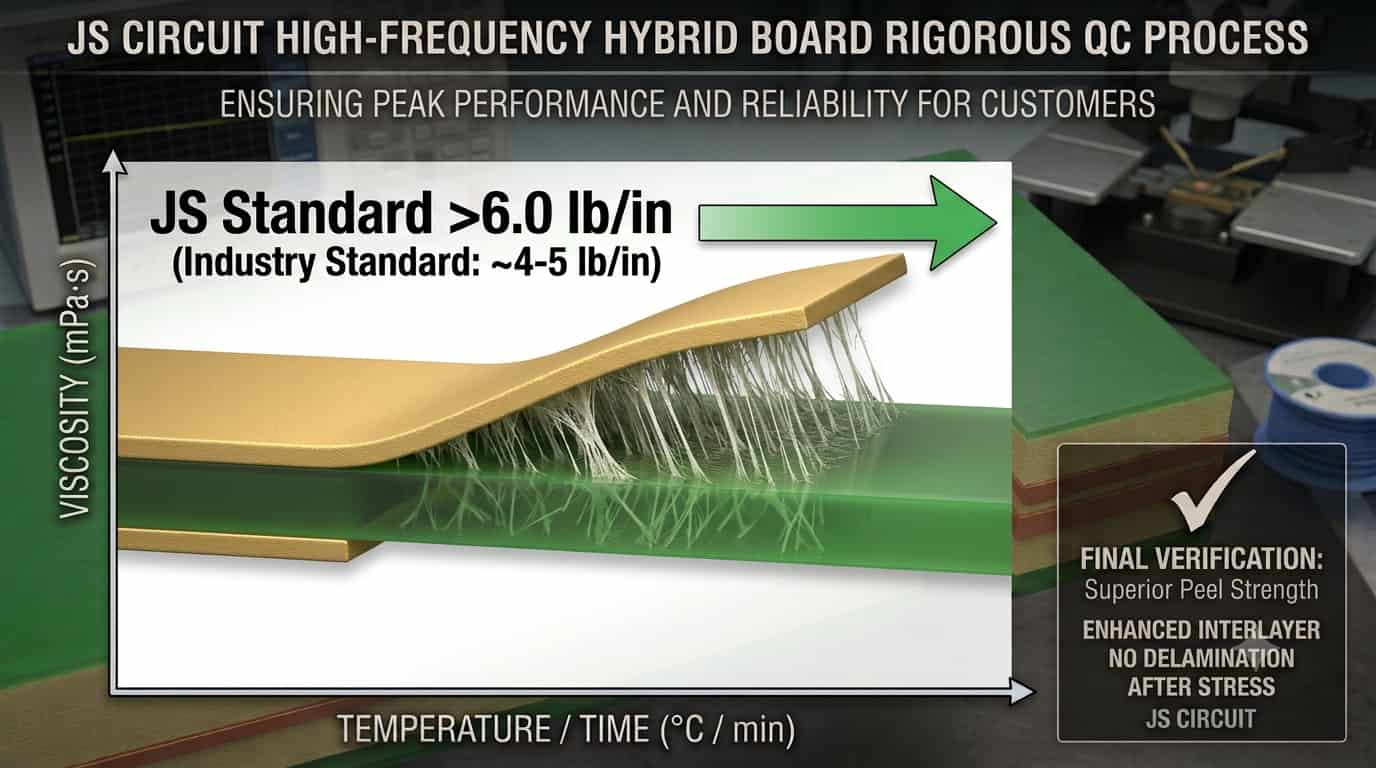
Figure 3: Interlayer Peel Strength Evaluation (Rogers Core to FR-4 Prepreg) | JS Circuit
5. Interlayer Bonding Strength and Peel Testing Verification
The definitive metric for assessing lamination quality is interlayer bond strength, verified via rigorous mechanical peel testing. Industry-standard specifications typically demand a peel strength of 4.0 to 5.0 lb/in for uniform multilayer configurations. However, due to the unique chemical makeup of composite microwave boards, achieving this threshold requires specialized premium prepregs (such as Rogers RO4450 series or high-reliability neat resin systems). JS Circuit targets a premium internal standard of >6.0 lb/in. By conducting destructive pull testing on production coupons from every single batch, we structurally prove that our chemical micro-roughening and precise hydraulic press recipes form an unyielding molecular bridge.
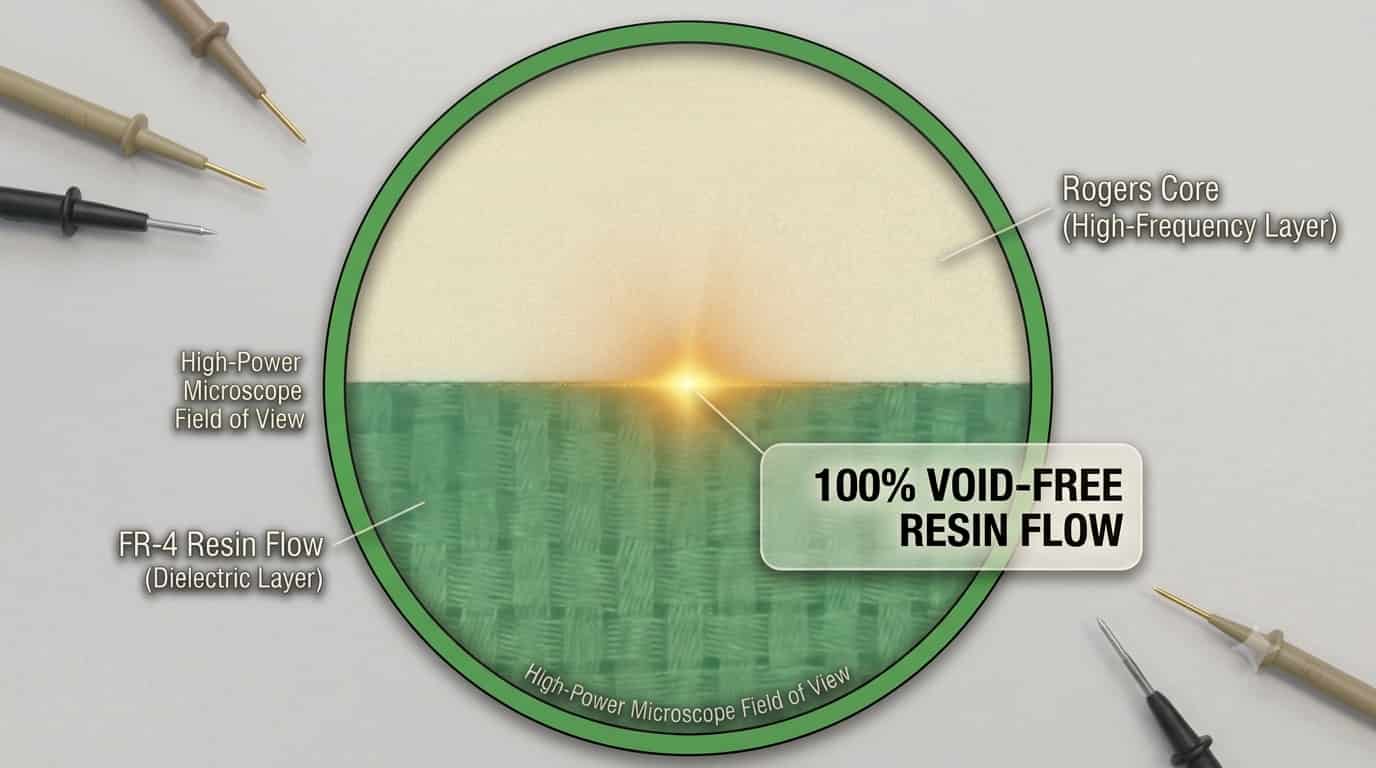
Figure 4: Microscopic Cross-Sectional Verification of Void-Free Interface | JS Circuit
6. Ensuring Field Reliability for Critical Microwave Electronics
Ultimately, controlling fluid flow and resin kinetics during lamination directly prevents catastrophic failures in end-use applications. Micro-voids left undetected at the Rogers/FR-4 boundary layer act as moisture traps. Under operational thermal cycles, this trapped moisture builds significant pressure, initiating structural delamination that snaps internal copper traces. Through our combination of rigorous chemical pre-treatment, advanced real-time press tracking, and microscopic verification, JS Circuit guarantees a void-free interface. This complete process mastery translates directly to extended field lifetimes for high-frequency medical scanners, military radar systems, and commercial telecommunication networks.
📋 Technical FAQ: Hybrid Lamination Quality Control
Q1: What exactly causes “resin starvation” in hybrid microwave boards?
A1: Resin starvation happens if the lamination furnace heats up too rapidly or applies full mechanical pressure prematurely. The prepreg resin liquefies completely and gets squeezed out of the perimeter before it has a chance to polymerize, leaving dry glass fabrics and empty pockets.
Q2: Why is the brown-oxide chemical alternative critical for Rogers cores?
A2: High-frequency cores have smooth, uniform structural surfaces designed for clean signal transit. The chemical brown-oxide treatment micro-etches the substrate, creating millions of microscopic “hooks” that physically anchor the flowing FR-4 prepreg resin.
Q3: How does JS Circuit guarantee that no micro-voids remain after lamination?
A3: Every batch goes through 100% automated high-vacuum cycle pressing. Additionally, we extract random sample production coupons to perform destructive cross-sectional micro-section tracking under heavy magnification to audit internal encapsulation quality.
Q4: Can a hybrid board survive multiple lead-free reflow assembly operations?
A4: Yes, provided the cooling rate of the lamination press is strictly regulated. Controlled cooling prevents locked-in, latent residual thermal stress from twisting the internal materials when reheated to 260°C during customer assembly.
Q5: What bonding materials are recommended for Rogers RO4000 series hybrid builds?
A5: JS Circuit recommends pairing Rogers RO4000 cores with thermoset FR-4 prepregs that feature high thermal stability (High-Tg / Low-CTE) or genuine Rogers thermoset bonding prepregs like RO4450F to match chemical properties perfectly.
Struggling with delamination or yield loss on your current hybrid RF designs? Get in touch with JS Circuit’s manufacturing experts to optimize your lamination yield.