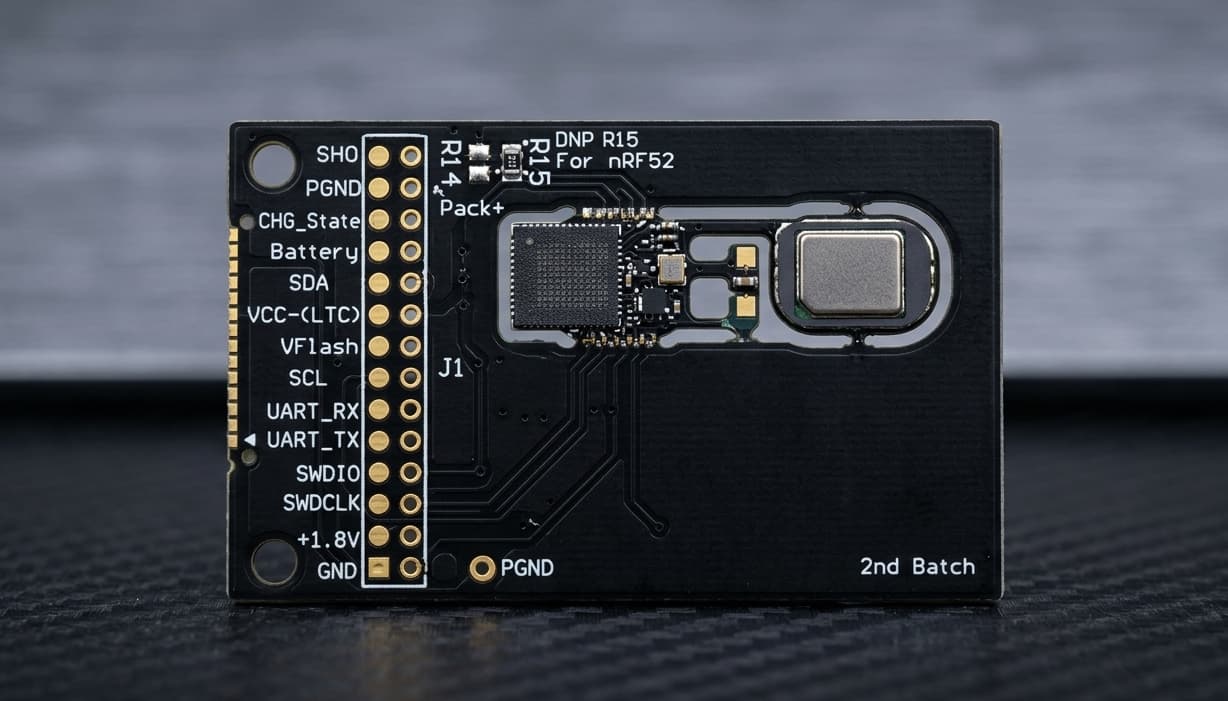
Engineering Brief
As the wearable electronics 2026 landscape shifts toward unprecedented miniaturization, this JS Circuit Case Study evaluates the manufacturing milestones of a high-density monitoring device. Focused on Engineering Precision: 6-layer HDI PCB fabrication for medical wearables, we analyze the integration of 0.1mm laser microvias and the stabilization of 0201 component assembly—benchmarking the current medical PCBA standards.
In the highly regulated medical sector, the push for smaller form factors often challenges the boundaries of traditional 6-layer HDI PCB manufacturing. This analysis examines a circuit designed for next-generation biosensing, where the complexity of the interconnect dictates the overall stability of the device. Delivering these results consistently requires the foundational engineering expertise developed through decades of specialized fabrication.
1. The Structural Logic of 1+4+1 HDI Stackup
To facilitate dense routing without compromising the 1.6mm board profile, a specialized 1+4+1 HDI stackup was utilized. This structure provides the vertical interconnect access (VIA) density necessary for modern sensor arrays while managing the thermal and mechanical stresses inherent in medical PCBA applications.
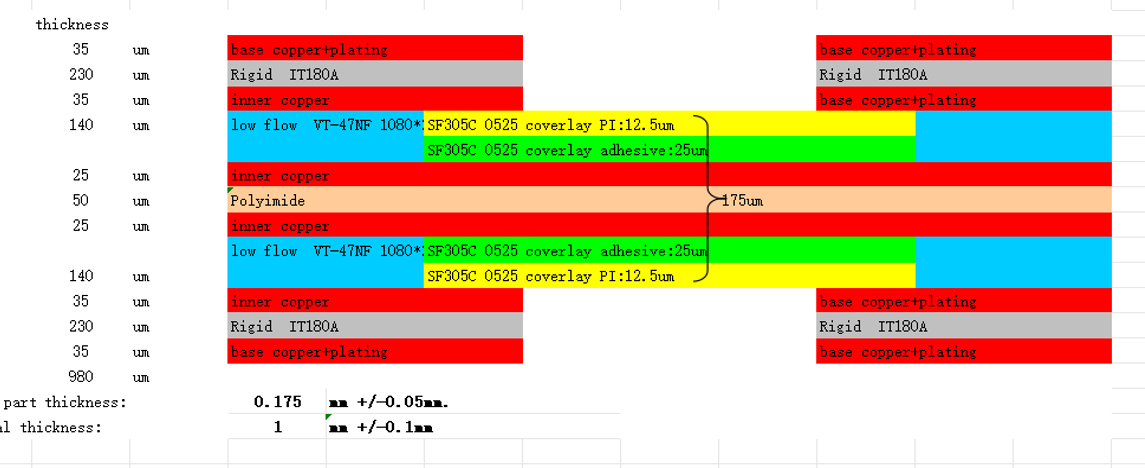
Interconnect Reliability in 2026 Benchmarks
Current high-density 6-layer HDI PCB designs rely on precise via management to maintain signal quality. For this project, two critical via technologies were optimized:
- 0.1mm Laser Blind Via Precision: Positioned between L1-L2 and L5-L6, these vias drastically reduce parasitic capacitance, a vital factor for low-power wearable sensors.
- Controlled Lamination Processes: Ensuring layer registration accuracy is paramount when dealing with 0.1mm features. Our process focuses on CTE (Coefficient of Thermal Expansion) matching to prevent via-barrel cracking during subsequent assembly cycles.
2. Assembly Precision: Navigating 0201 Component Assembly
The transition to 0201 component assembly (0603 Metric) represents a significant threshold in medical PCBA yield. This project incorporated a high density of thin-film resistors and NTC thermistors, necessitating a rigorous pre-production DFM review to optimize stencil apertures and ensure a medical-grade ENIG surface finish consistency for stable solder joints.
3. Current Technical Specifications Summary
| Design Feature | Engineering Standard |
|---|---|
| Architecture | 6-layer HDI PCB (1+4+1) |
| Via Tech | 0.1mm Laser Blind Via |
| Surface Finish Logic | Medical-grade ENIG |
| SMT Capability | 0201 component assembly |
4. Engineering Verdict: Balancing Density and Reliability
As showcased in this JS Circuit Case Study, executing a 1+4+1 HDI stackup design requires more than just high-precision equipment; it demands a deep understanding of material behavior. Maintaining a stable dielectric thickness is what prevents signal degradation in wearable electronics 2026. For engineering teams navigating similar miniaturization constraints, we recommend a collaborative DFM approach during the early layout phase to ensure high-yield medical PCBA fabrication.
Technical FAQ
1. Why is the 1+4+1 HDI stackup critical for 2026 wearable designs?
It provides the routing density required for the latest biosensors while keeping the 6-layer HDI PCB profile thin enough for compact wearable enclosures.
2. How is 0201 component assembly reliability ensured in medical PCBA?
Success relies on nano-coated stencils for consistent solder release and a medical-grade ENIG finish to ensure perfectly flat pads.
3. What are the benefits of 0.1mm laser blind vias in sensor PCBs?
These microvias drastically reduce parasitic capacitance, which is vital for maintaining signal integrity in low-power medical wearables.
4. Does ENIG remain the preferred finish for medical-grade HDI?
Yes, medical-grade ENIG offers superior oxidation resistance and flatness required by ISO 13485 standards.
5. How can I request a DFM review for my project?
Contact JS Circuit’s engineering team directly to initiate a comprehensive DFM review for your high-density medical designs.
Medical PCBA Engineering Series:
- Part 1: Engineering Precision: 6-Layer HDI PCB Fabrication (Current)
- Part 2: Precision 0201 SMT Assembly & Reflow Optimization
- Part 3: Quality Validation: X-Ray, AOI & Impedance Testing (Coming Soon)